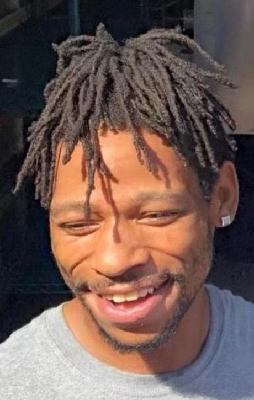
On the night of April 20, 2017, James Clark, 31, was a Black man in Indianapolis whose life ended inside a home on Villa Avenue on the city’s southeast side. Police were sent to the house after reports of gunfire, and two men were found shot to death inside: Clark and Darrell Miller II. Neighbors spoke of rapid shots cracking through the street, and amid the panic a small child who had been in the home was rushed out to safety as officers and medics moved in and homicide detectives took over
the scene.
Court records later filled in what the first frantic headlines could not. Earlier that evening, Sarah Miller and her husband, Darrell, had gone to Clark’s home, spent time using methamphetamine, and then returned with Clark after driving around the city. With drugs left over, the group tried to sell what remained by texting people they knew. Maurice Turentine responded and came to the house with another man, Mingo Thames, to make the buy. Sarah watched from the kitchen as the transaction unfolded, then saw a sudden shift in body language and movement that preceded a gunshot. In the chaos that followed, she grabbed the child and hid, listening to several more shots before the two visitors fled. When she emerged, the house was quiet except for the aftermath—Clark down near the front area and Darrell in the basement near the stairs, both fatally wounded.
Outside the home, fear and confusion spread through the block. Witnesses told reporters they had heard multiple shots, and one neighbor described pulling the child out in the immediate moments afterward, focused only on getting the boy away from the violence. At that point, detectives said little publicly about who might have done it. But not far away, another 911 call was set in motion: records describe Turentine being driven to a relative’s home after the shooting, where a call was placed reporting an injured person outside. When police arrived, Turentine was on the sidewalk with multiple gunshot wounds, telling officers he had been the victim of a drive-by.
As the investigation tightened, detectives began tying the night together with forensic evidence and a witness’s memory. Court filings describe Turentine’s DNA being found on the interior door handle at Clark’s home, along with blood evidence inside the house, and blood recovered from a pickup truck linked to the men that night; the same truck later yielded Thames’s fingerprints. Sarah’s description of the second man—someone she hadn’t known before—didn’t fade. Days later, she searched through Facebook connections, spotted a photograph that matched her recollection, and contacted detectives; she later picked Thames from a photo array. Police arrested Turentine on May 5, 2017, and he was charged in connection with the killings.
Thames, identified by police as the second suspect, didn’t stay in Indiana. Investigators tracked him beyond the state, and he was ultimately arrested months later in El Paso, Texas, where authorities said he was taken into custody while awaiting extradition back to Indianapolis; court records also describe him being apprehended with false identification while with an outreach ministry group. The case that began in a southeast-side home now stretched across the country, with federal involvement helping bring him back to face the allegations.
Years after the gunfire, the legal outcomes split between the two defendants. Thames went to trial in December 2018 and was convicted of two counts of murder; the sentencing that followed brought an aggregate 110-year prison term. Turentine’s case took longer—marked by multiple trials and mistrials—before jurors ultimately found him not guilty of murder but guilty of voluntary manslaughter for his role in the violence, and he was sentenced to a 24-year term that included time in community corrections. In the record, the story that remained was not just of a double homicide, but of a small child carried out of danger, a trail of blood and fingerprints, and two men who, after years of court proceedings, were held accountable in different ways for what happened on Villa Avenue.