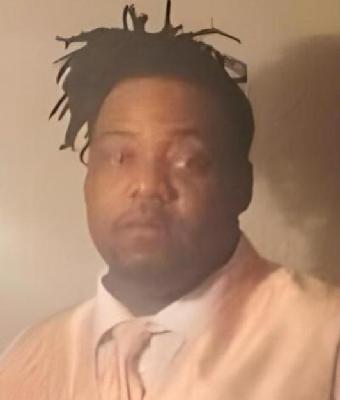
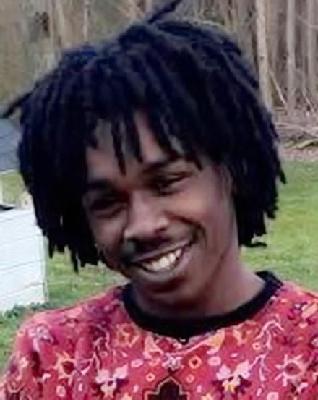
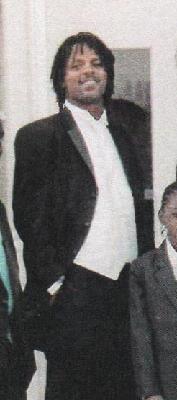
In the summer of 2008, a life was tragically cut short in Flat Rock, Virginia, leaving a community in mourning and raising questions of justice. Tahliek Jamar Leek Taliaferro, an 18-year-old African-American male and a promising high school football player, was killed on June 24, 2008. The events of that day would unravel a story of confrontation and violence that would deeply affect many lives.
The incident stemmed from an ongoing feud between Tahliek and Joseph 'Joey' Parrish Jr.
On that fateful evening, Joey Parrish, who was 17 at the time, and his 22-year-old cousin, Ethan Parrish, were in a car driven by Joey's friend, Stephanie Reynolds. When they passed Tahliek, Joey instigated a fight, telling Tahliek to follow their vehicle. Believing that Tahliek's friends might be armed, Ethan Parrish readied a MAK-90 assault rifle. After pulling over, a confrontation ensued which resulted in Tahliek being fatally shot in the back of the head. Another teenager with Taliaferro was also wounded in the incident.
Initially, Ethan Parrish, Joey Parrish Jr., and Stephanie Reynolds were all charged with premeditated murder. However, the legal proceedings took a turn that sparked outrage and accusations of racial bias. In exchange for her testimony, Stephanie Reynolds was granted immunity. The trial of the Parrish cousins concluded with a verdict that many found difficult to accept. A jury consisting of eleven white members and one Black member reduced the serious charge of premeditated murder to involuntary manslaughter, classifying the killing as unintentional.
The sentencing that followed further fueled the community's sense of injustice. Ethan Parrish was sentenced to 11 years in prison, while Joey Parrish received a longer sentence of 16 years, not because he fired the weapon, but due to a conviction for being a felon in possession of a firearm. Civil rights activists and Tahliek's grieving family were devastated by the outcome, believing that the sentences were far too lenient for the taking of a young life. Protests and marches were organized, with some activists calling the verdict a 'legal lynching.' Despite the convictions and sentencing, the case of Tahliek Taliaferro's death left a lasting scar on the community, a painful reminder of a life lost and a justice system questioned.