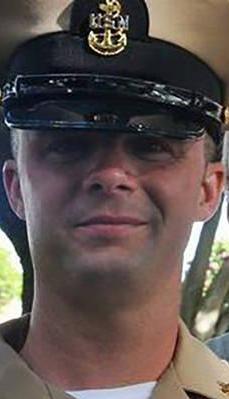
Phil Huth, 57, was a White man who started his morning on December 1, 2022 the way neighbors were used to seeing him—moving through the Palm Villas townhouse community in Ewa Beach as the resident manager, looking after the place and the people who lived there. A little after 8:30 a.m., first responders were sent to Puamaeole Street for a gunshot victim, and Huth was treated at the scene before being rushed to a hospital in critical condition, where he died.
Witnesses told investigators the moments before the gunfire felt tense and strangely ordinary at first: an argument in a parking area, voices rising, and then the sharp punctuation of shots. Honolulu police said the suspect fled immediately in a light-colored vehicle, and investigators identified him as Patrick Tuputala, 34, warning the public he was considered armed and dangerous while they worked to track him down. In the urgent hours that followed, police also asked for help finding the suspect vehicle—a 2013 silver Kia Rio with Hawaii license plate RWW 504—because it was still unaccounted for even after the manhunt tightened around the suspect.
By that evening, the flight ended without a chase. Police reported that Tuputala turned himself in to state sheriffs shortly after the public alert went out, and Honolulu police then took him into custody and arrested him for second-degree murder at about 8:30 p.m. The arrest transformed the case from a frantic search into a court-driven reckoning, but it did not answer the most painful question for the people who lived at Palm Villas—how a dispute in broad daylight became a killing.
The case moved quickly through early legal milestones. An Oahu grand jury indicted Tuputala on one count of second-degree murder in connection with Huth’s shooting death. Reports on the prosecution also described additional weapons-related charges tied to the incident, and a later court appearance ended with Tuputala entering a not-guilty plea while bail was confirmed at $1 million; a trial date was set for February 13, 2023.
Outside the courtroom and police statements, the story that circulated through the neighborhood was about loss and disbelief—about a familiar figure who had been doing his job when violence found him. A fundraiser created for Huth’s family described the killing as happening in the course of his resident-manager duties and framed it as a sudden rupture that left behind a grieving wife, children, friends, and residents who had depended on him as a steady presence in the community.