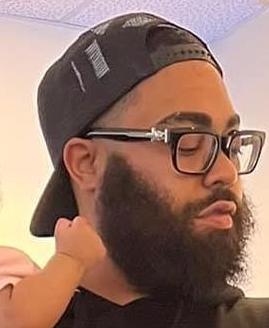
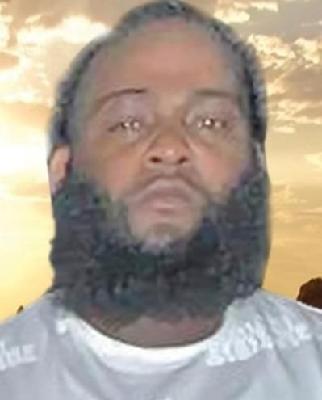
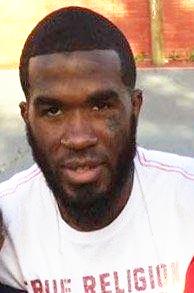
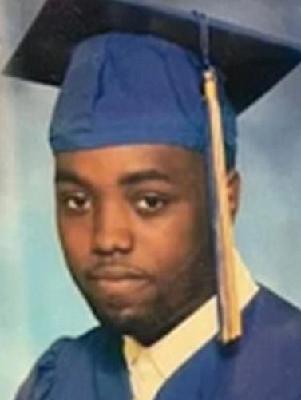
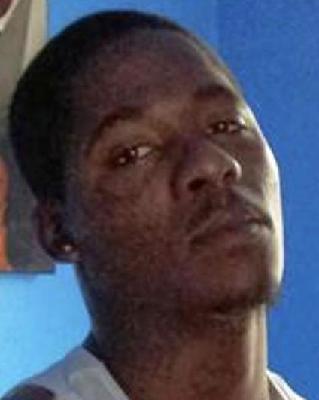
In the autumn of 2014, the life of a young man from the Newark area was cut short in an act of violence that would eventually lead to a complex legal battle and convictions for those responsible. Dwayne Harrison, a 26-year-old male, was fatally shot on October 23, 2014, in a tragic event that was quickly classified as a homicide by law enforcement.
At the time of his passing, he was a resident of East Orange, New Jersey.
The investigation into Harrison's death was a thorough undertaking by the Newark Police Department and other law enforcement agencies. Their efforts revealed that his killing was not an isolated incident but rather connected to a larger wave of violence that had been plaguing the area, which included a series of shootings and other violent crimes. This broader context added layers of complexity to the investigation as authorities worked to untangle the circumstances that led to the fatal shooting.
Through their investigation, law enforcement officials were able to identify several individuals believed to be responsible for Dwayne Harrison's death. These suspects were subsequently apprehended and faced a range of serious charges, including murder, conspiracy to commit murder, and unlawful possession of a weapon. The Essex County Prosecutor's Office took the lead in the legal proceedings that followed, building a case against the multiple defendants.
The ensuing trials were marked by the presentation of detailed testimonies and forensic evidence. The prosecution worked to hold the accused accountable for their roles in the crime, while the defense presented their counterarguments. Ultimately, the efforts of the prosecution were successful, resulting in the conviction of several individuals involved in Harrison's murder. These convictions brought with them substantial prison sentences, concluding the legal chapter of a case that highlighted the persistent challenges of violence in the community.