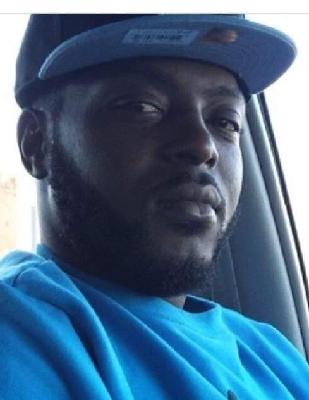
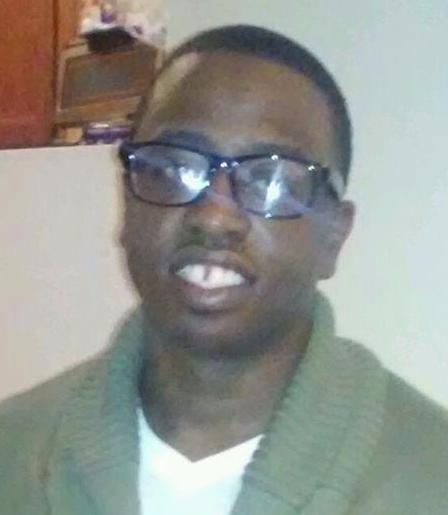
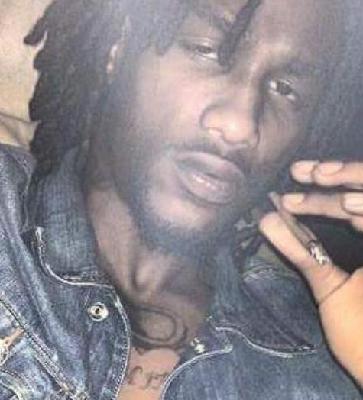
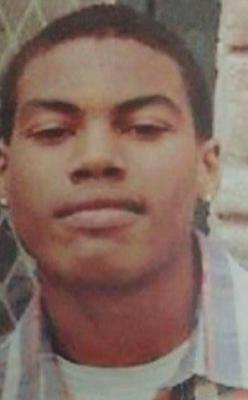
Timmothy G. Royster, 44, was a man from East Orange, New Jersey, whose life ended violently on April 4, 2017. Obituary notices record that he was born in 1973 and later lay at rest after services held on April 18 at Perry Funeral Home on Mercer Street in Newark, where family and friends gathered to say goodbye and commit him to Evergreen Cemetery in Hillside.
On the night of his death, the routine sounds of the city in Newark’s South Ward were broken by gunfire.
According to a statement from the Essex County Prosecutor’s Office, Newark police and county investigators were called to the 600 block of South 15th Street at about 9:59 p.m. on April 4, where Royster had been shot. The prosecutor later described him as a 44-year-old resident of East Orange and confirmed that he had been fatally wounded in the shooting, turning an ordinary Tuesday night into yet another homicide scene in a city already too familiar with such violence.
In the days that followed, authorities tried to piece together what had happened on that block. When officials spoke publicly on April 7, they emphasized that the investigation into the killing was “active and ongoing.” They reported that no suspects had been identified and no arrests had been made and urged anyone with information to contact the Essex County Prosecutor’s Homicide/Major Crimes Task Force through its anonymous tips line, signaling both the seriousness of the case and the lack of immediate leads.
Later summaries of the case on crime-tracking and advocacy sites describe Royster’s death plainly as a homicide caused by gun violence, listing his name, city, and date of death and inviting readers to provide any information that might help move the case toward justice. These entries portray his killing as one among many unsolved or unresolved shootings in Newark, framed with appeals for updates and reminders that the loss is still felt years later, suggesting that no public record has emerged of anyone being charged in connection with his death.
While investigators’ statements and case summaries focus on the crime, the memorials built in his name dwell on the person behind the headlines. Funeral home and obituary pages preserve the bare facts of his life and death and offer space for condolences and memories, while the National Gun Violence Memorial lists him among those “lost to gun violence” in Newark and invites visitors to light virtual candles and leave tributes. Together, these traces tell the story of a man whose life was cut short on a Newark street, a homicide that drew official attention and community grief but, in the public record, still waits for answers about who pulled the trigger and why.