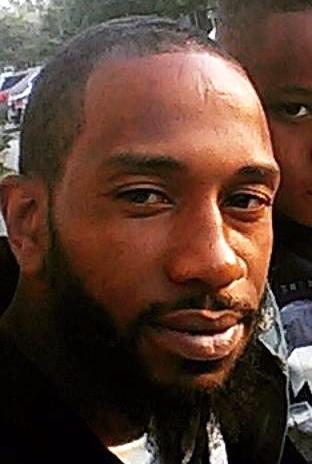
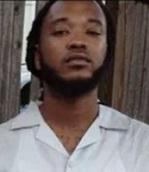
On a Monday evening in early April 2018, Mina Ghaly, a 30-year-old man from Bayonne, New Jersey, was in the neighboring township of Irvington when violence cut his life short. Around 9 p.m. on April 2, police and emergency responders were called to a residential area, where they found him lying on the ground with gunshot wounds. Despite efforts to save him, he was pronounced dead roughly half an hour after the first reports, his killing immediately treated as a fatal shooting and recorded among
the many instances of gun violence in the state that year.
News and memorial sources consistently describe Mina as “lost to gun violence” and identify Irvington as the place where the shooting occurred, while listing Bayonne as his home community. The picture that emerges from these accounts is of a young man whose life ended outdoors on a residential street, far from any hospital or sanctuary, his final moments spent in the glare of emergency lights and the hurried work of first responders. In the days that followed, his name appeared in local coverage and victim databases, not with details of a long investigation or courtroom drama, but as another entry in the grim tally of shooting deaths.
The public record of Mina's life after his death is shaped largely by the people who loved him. Obituaries and funeral notices describe a family and community coming together to honor him, with services arranged through Evergreen Funeral Home in Jersey City and a funeral liturgy held at St. Abanoub & St. Anthony Coptic Orthodox Church in Bayonne. Friends and relatives were invited to gather there a week after the shooting, on April 9, to pray for him, share memories, and grieve a loss that had arrived abruptly and without explanation. These notices do not dwell on the violence itself; they focus instead on farewell rituals, flowers, and prayers, underlining how quickly his story shifted from the chaos of a crime scene to the quiet routines of mourning.
Advocacy and case-tracking sites that now preserve Mina's name provide only spare facts about what happened. They confirm his age, gender, residence, and date of death, classifying the case as a “death by force” and linking it to reports of a man shot and killed on a residential street in Irvington. At the same time, they emphasize how little has been publicly shared: summaries note that his official obituary never explained the circumstances of his death, and forum posts attached to his case speak of an unresolved feeling, of a killing that seems to have faded from the news without answers. These entries sit among lists of other New Jersey homicides, framed as part of a broader effort to keep unsolved or underreported cases from disappearing.
Within that limited public record, there is no indication that authorities have announced a suspect, made an arrest, or identified a clear motive in Mina Ghaly's shooting. Reports that reference statements from the Essex County Prosecutor's Office and the Irvington Police Department stop at confirming where and when he was found and that he had been fatally shot, without naming any person of interest or outlining charges. Later memorial and case-tracking entries continue to present the homicide as open, inviting tips and additional information from the public. Taken together, the available sources suggest that, at least in the public eye, his killing remains without an identified suspect or resolved prosecution, leaving his family and community with grief but few official answers about why he died or who was responsible.