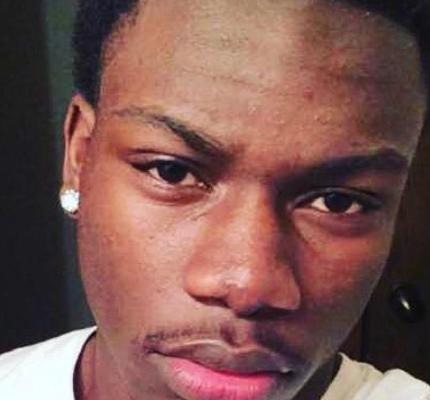
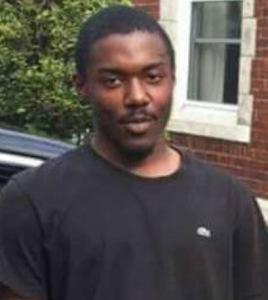
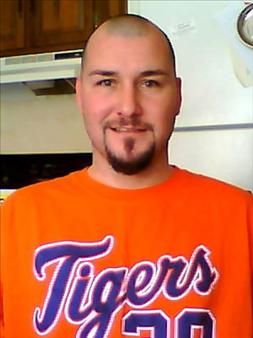
On a cold December day in Detroit, Michigan, the life of Sammuel Dequane Newell was tragically cut short. The 20-year-old male was discovered on the city's east side on December 13, 2017, having been fatally shot. Police responded to the scene to find Newell lying in the street, the victim of a senseless act of violence that would leave a community searching for answers and a family grappling with an immense loss.
The initial investigation painted a grim picture of a young life extinguished too soon, prompting a swift response from law enforcement to piece together the events that led to this tragedy.
In the days that followed, the investigation into Sammuel Newell's death moved forward, leading to a significant development in the case. A 21-year-old man, Shadeed M.S. Brown, was identified as the suspect. He was subsequently arrested and arraigned on charges of first-degree murder and felony firearm. The charges alleged that Brown was responsible for the death of Newell, bringing a measure of hope to a grieving community that justice would be served. The arraignment marked the beginning of a legal process that would determine the accountability for the young man's death, a process that would be closely watched by those who knew and cared for Sammuel Newell.
The legal proceedings against Shadeed M.S. Brown culminated in a jury trial where the evidence and testimony surrounding the death of Sammuel Newell were presented. The trial sought to uncover the truth of what happened on that December day and to hold the responsible party accountable. After careful deliberation, the jury found Brown guilty of the charges brought against him. This conviction provided a sense of closure for some, an affirmation that the justice system had worked to address the violent loss of a young life. The subsequent sentencing phase would determine the final legal consequences for the individual found responsible for the untimely death of Sammuel Dequane Newell.