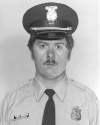
An African American military veteran, Albert Robinson, was 38 years old when he lost his life on July 26, 1967, during the Detroit Uprising. Robinson, a Chrysler employee who lived in Hamtramck, was killed by National Guardsmen who had entered his apartment building in search of supposed snipers.
The circumstances surrounding the death of the male victim were contentious and reflected the turbulent and violent period. Reports from the time indicate that the National Guardsmen initially fabricated a story to justify their actions after allegedly abusing Robinson. The official narratives provided by law enforcement were often contradicted by eyewitness accounts, which suggested that many of those who died were unarmed and shot while trying to flee.
Investigations into Robinson's death and others during the uprising uncovered a pattern of misconduct and a lack of thoroughness by the Detroit Police Department's Homicide Bureau and the Wayne County Prosecutor. Despite the conflicting accounts, the prosecutor legally justified the killings under the pretext of stopping 'fleeing felons,' a policy that permitted the use of deadly force. These events highlighted systemic issues within law enforcement and the judicial system, exacerbating racial tensions and distrust between the African American community and law enforcement agencies.