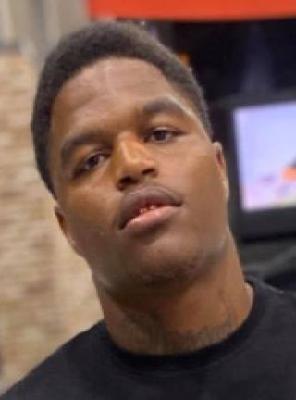
On the evening of September 13, 2016, just hours before he would have celebrated his 21st birthday, 20-year-old Trevues Martin was shot and killed in Gulfport, Mississippi. He was sitting in the driver's seat of a car parked in his grandmother's driveway on Monterray Drive. At his side was his girlfriend of two days. The couple was listening to music and smoking marijuana, which Martin was also selling from the vehicle.
Suddenly, a series of gunshots shattered the night, and a bullet struck Martin in the head, ending his life almost instantly. His grandmother, who was inside her home, heard the shots and, after her calls to his phone went unanswered, came outside to discover the tragic scene. Martin, who was on house arrest and wearing an ankle monitor at the time, was pronounced dead inside the car.
The Gulfport Police Department's investigation into the city's 10th homicide of the year quickly pointed toward a suspect. Detectives identified 19-year-old Deandre Dashawn-Antonio Ball as the man they believed was responsible for Martin's death. Investigators learned that Ball, an aspiring rapper who had been friends with Martin, was reportedly enraged. He mistakenly believed Martin was romantically involved with a woman he considered his longtime girlfriend. About a month after the shooting, on October 9, 2016, Ball surrendered to the authorities. He was subsequently charged with murder.
Deandre Ball's trial for the first-degree murder of Trevues Martin commenced in May 2019. The prosecution built its case on a foundation of circumstantial evidence, as the murder weapon, a. 40-caliber Glock, was never recovered. Key pieces of evidence included a Facebook post Ball made just two days before the killing, which featured a photo of a Glock and a threatening caption. Prosecutors argued the post was a direct threat to Martin. Furthermore, Ball's best friend testified against him, stating that Ball was angry at Martin over the perceived relationship. She told investigators that she was with Ball and two other friends on the night of the murder and that they fled the scene after hearing the gunshots.
Despite the defense's argument that the lack of direct evidence and a murder weapon created reasonable doubt, the jury was convinced by the prosecution's case. They found Deandre Ball guilty of first-degree murder. Following the conviction, the 22-year-old was handed a mandatory sentence of life in prison. An appeal of the conviction was later denied, affirming the court's decision.