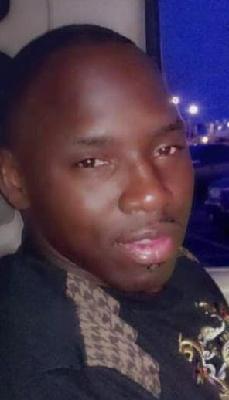
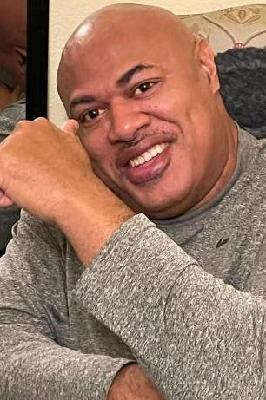
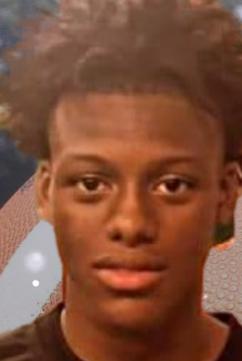
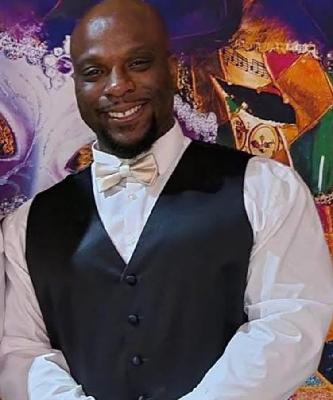
Keon Rashod Bryant, a 19-year-old male from Gulfport, Mississippi, was fatally shot on March 24, 2015. The incident, which authorities believe was connected to a drug deal, resulted in Bryant sustaining a fatal gunshot wound to the chest. His body was later discovered in a ditch on George Street in Gulfport.
The investigation into the shooting revealed a complex situation involving two other individuals. One was a teenager who was not criminally charged.
The other was Adam Antonio Fairley, who was 26 years old at the time. It was reported that Bryant and Fairley had arranged to meet with the teenager, and during this meeting, a confrontation erupted into violence. The altercation involved a physical struggle and an exchange of gunfire, during which Fairley was also injured. He was taken to a hospital for treatment before law enforcement arrived at the scene of the shooting.
Following his release from the hospital, Adam Antonio Fairley was taken into custody and charged with second-degree murder for his alleged role in Keon Bryant's death. In addition to the murder charge, Fairley faced a charge of possession with intent to distribute marijuana. This charge came after investigators discovered 52 grams of marijuana, packaged for sale, inside the vehicle that Bryant and Fairley had been using. The case proceeded to a preliminary hearing where Fairley's legal counsel put forth a claim of self-defense, asserting that Fairley had been shot by the teenager first, prompting him to return fire. Despite this argument, the court determined there was enough evidence to send the case to a Harrison County grand jury for consideration of a formal indictment. Initially, Fairley's bond was set at $1 million, but it was subsequently lowered to $350,000. Information regarding the grand jury's decision and any subsequent legal proceedings, such as a trial or conviction, is not readily available in public records.