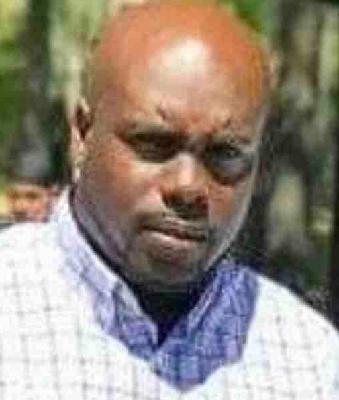
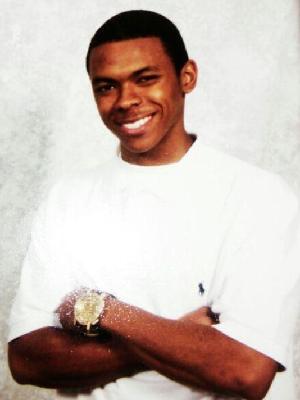
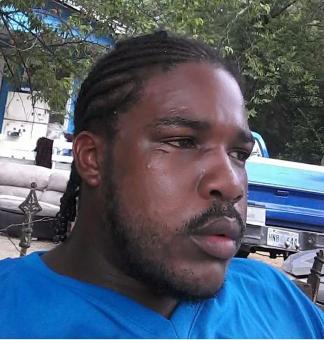
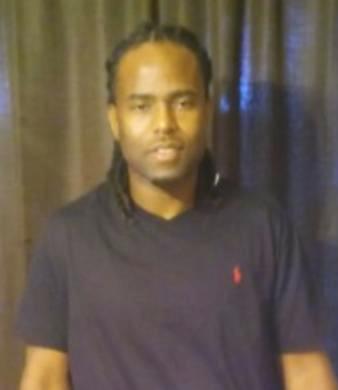
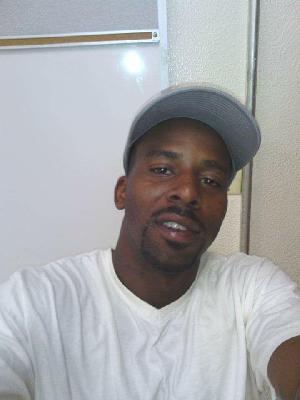
On the humid evening of July 8, 2015, in the small town of Stonewall, Mississippi, a 39-year-old Black man named Jonathan Sanders was out exercising his horse, Diva. Sanders, a father of two, often preferred the cooler night air for these rides, preparing his beloved mare for the upcoming Neshoba County Fair. What began as a routine evening would end in a fatal confrontation that would grip the community and raise pressing questions about justice and race.
As Sanders rode his horse and
buggy near a Cefco gas station, he saw a white part-time police officer, Kevin Herrington, speaking with another man. Accounts from witnesses and family attorneys state that Sanders made a comment to Herrington, telling the officer to leave the other man alone. This brief verbal exchange seemingly caught the officer's attention. Soon after, Herrington pursued Sanders and activated his patrol car's blue lights. The sudden lights startled the horse, causing it to rear up and throw Sanders from his buggy.
What happened next became a point of intense dispute. According to witness testimony gathered by the family's lawyers, as Sanders tried to catch his spooked horse, Herrington approached him from behind. A struggle ensued, and Herrington reportedly placed Sanders in a chokehold that witnesses claimed lasted for as long as 20 to 30 minutes. During the struggle, Sanders was heard repeatedly saying, 'I can't breathe.' Despite the presence of a witness with CPR training who offered to help, the officer allegedly prevented any assistance. Sanders died at the scene.
The aftermath of Sanders' death was fraught with tension and calls for an independent investigation. The Mississippi Bureau of Investigation and the FBI became involved in the case. A preliminary autopsy determined the cause of death to be homicide by manual asphyxiation. This finding fueled the family's and community's demands for the arrest and prosecution of Officer Herrington. Allegations also surfaced that Herrington had used a racial slur before the confrontation, though these claims were later disputed.
In January 2016, a Clarke County grand jury reviewed the case and declined to indict Officer Herrington. The grand jury's report concluded that Sanders' death was the result of 'manual asphyxia associated with acute cocaine toxicity,' stating that he had swallowed a bag of cocaine. The jury found that Herrington's actions were justified as he suspected Sanders of being involved in drug activity and that no excessive force was used. The panel also found no evidence that the officer had used any racial slurs. This decision was met with deep disappointment and skepticism by Sanders' family and civil rights advocates, who felt that many questions surrounding the circumstances of his death remained unanswered.