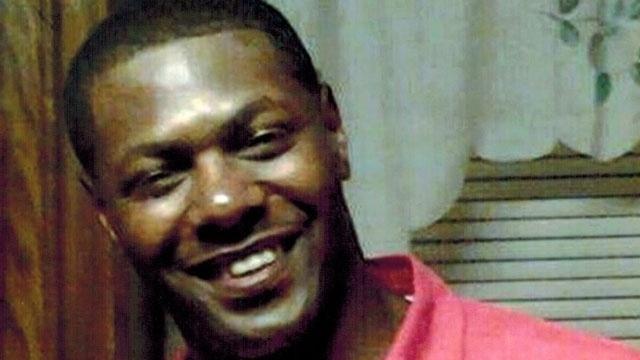
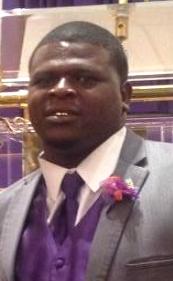
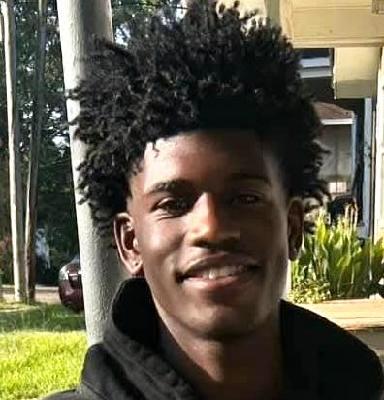
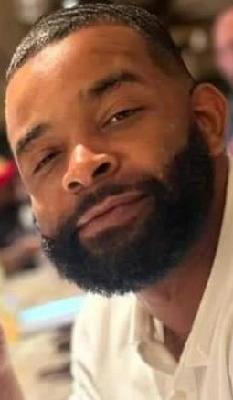
Jessie Kelly, a 23-year-old Black man from Jackson, Mississippi, was killed in a burst of gunfire that erupted during a late-night robbery attempt at the Westwood Apartments on Robinson Road in early February 2017. Late that Thursday, a chaotic confrontation inside one of the units left him badly wounded; an associate rushed him by car to Merit Health, but he died there not long after from multiple gunshot injuries.
The night began quietly for the group gathered in the Westwood unit.
A handful of young adults were inside, passing the time playing dominoes when several men entered the apartment with guns drawn and demanded their belongings. What should have been an ordinary game turned in seconds into a trap: those inside were also armed, and instead of complying, they opened fire on the intruders. The cramped apartment became a crossfire as at least two of the robbers and multiple people inside the unit exchanged shots around 10:20 p.m.
When the gunfire stopped, three men were already mortally wounded. One intruder, 21-year-old Jacarin Robinson, had been shot in the head and died on the floor of the apartment. One of the residents, Dominique Garrett, in his early twenties, was fatally struck amid the gun battle. His brother, Marquis, was also hit and taken by ambulance to the University of Mississippi Medical Center in extremely serious condition. Jessie, identified by police as a second suspected intruder, had been shot as well; instead of waiting for first responders, a friend drove him to Merit Health, where he was pronounced dead in the early hours that followed.
Responding officers arrived at Westwood Apartments around 10:23 p.m. to a scene that bore the marks of a fierce exchange. Inside the unit they found multiple victims, an apartment littered with evidence of the shootout, and several firearms that investigators believed had been used during the robbery and return fire. Detectives questioned survivors, including at least one occupant who had escaped physical injury, and quickly announced that they were treating the episode as an attempted robbery that had spiraled into a deadly gunfight between armed intruders and equally armed residents.
In the immediate aftermath, police and local media struggled with how to frame the violence. A police commander later noted that there were no signs of forced entry into the apartment and said investigators believed there was some prior connection between the men inside and at least one of the intruders, complicating any simple narrative of strangers breaking in. At the same time, he emphasized that detectives had found no evidence that the shootout was gang-related and that none of the men involved had outstanding warrants. Commentators pointed out how quickly such cases involving young men in a struggling neighborhood could be lumped together as “mutual violence,” even when some of those present might have been acting to defend their home.
Detectives also began looking beyond the dead and wounded for others who might have played a role. Within a day, Jackson police said they were searching for 24-year-old Carl Harper in connection with the triple homicide, describing him as someone they wanted to question about what had happened at Westwood that night. Harper turned himself in on Friday and was detained while investigators interviewed him, but soon afterward the Associated Press reported that a 24-year-old person of interest in the case had been questioned and released, with no charges filed.
Officially, the incident remained under investigation, and there was no immediate announcement of arrests or indictments arising from the robbery attempt or the three initial deaths, including Jessie Kelly’s. The toll from the Westwood shootout, however, continued to grow. Marquis Garrett, who had been fighting for his life at the University of Mississippi Medical Center, died a few days later, becoming the fourth man to lose his life as a result of the same explosion of violence. Contemporary reporting noted that investigators were still trying to untangle who had been an assailant and who had been firing in self-defense, and that, even as the community absorbed the loss of four young lives, no one had yet been formally held responsible in court for the chain of events that ended with Jessie Kelly’s death.