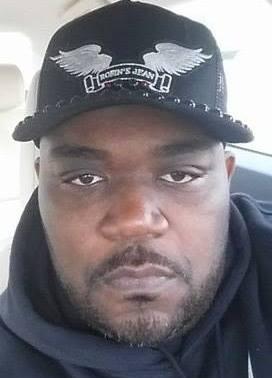
In the summer of 2021, the life of a young Black/African American man, Ahmed Mohamed, was tragically cut short at the age of 29. On August 4, 2021, in Milwaukee, Wisconsin, Mohamed became a victim of fatal gun violence. The Milwaukee County Medical Examiner's Office later confirmed that his death was a homicide, the result of multiple gunshot wounds.
The incident that led to his untimely death unfolded near the intersection of 20th and National Avenue, a detail that places the event within a specific south-side neighborhood of the city.
Following the shooting, the Milwaukee Police Department launched an extensive investigation into the circumstances surrounding Mohamed's death. Detectives began the arduous process of piecing together the events that led to the fatal encounter. Early in the investigation, it was suggested that a dispute with several individuals may have escalated, culminating in the deadly shooting. Investigators dedicated considerable time to interviewing potential witnesses and meticulously reviewing surveillance footage from the area in hopes of identifying those responsible. For a period, the case remained without a public breakthrough, causing distress and uncertainty for his family and the wider community who mourned his loss.
A significant development in the case came when a crucial witness came forward with information that provided investigators with the leads they needed. This new information directly led to the identification and subsequent arrest of two suspects who were believed to be directly involved in the murder of Ahmed Mohamed. The suspects, whose identities were not immediately made public, were formally charged with first-degree intentional homicide, among other related offenses. The arrests marked a turning point in the investigation and brought a measure of hope to Mohamed's loved ones that justice would be served.
The legal process moved forward to a trial where the prosecution laid out its case, built upon a foundation of forensic evidence and the pivotal testimonies of witnesses. The defense attorneys countered by arguing that the evidence presented was largely circumstantial and did not definitively prove their clients' guilt beyond a reasonable doubt. After weeks of testimony and careful deliberation, the jury returned with a guilty verdict for the two suspects. Having been convicted of the charges, they were sentenced to lengthy prison terms, ensuring accountability for the violent end to Ahmed Mohamed's life.