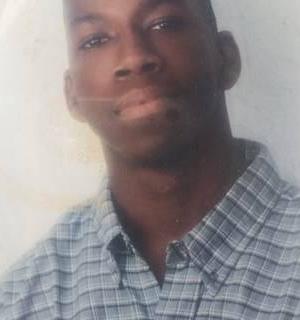
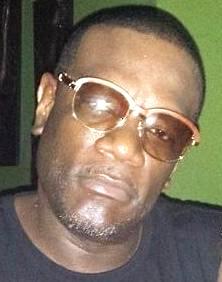
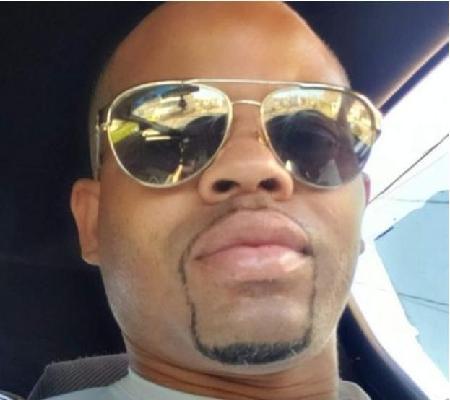
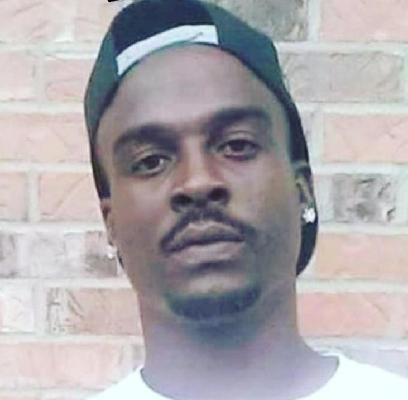
On April 26, 2011, in Lexington, Kentucky, Anthony Stone, a Black/African American man, was killed by gunfire. Online memorials record only the barest outline of what happened: his name, the date, the city where he died, and the stark note that he was “lost to gun violence” that day, with the case still marked as unsolved. Behind those few words lies the story of a man whose life ended abruptly and violently, leaving family and friends to piece together their memories without the closure
that comes when someone is held accountable.
No detailed public account describes where in the city he was shot, who might have been with him in his final hours, or what drew him to the place where his life was taken. There is no official narrative laying out a dispute that escalated, a robbery gone wrong, or a random encounter that turned deadly—only the confirmation that a firearm was used and that he did not survive. In the absence of specifics, those who cared about him are left with their own recollections: the everyday routines he followed, the people he loved, and the quiet ways his presence may have anchored a household or a circle of friends, all suddenly interrupted by violence.
His death fell under the purview of Lexington’s homicide investigators, whose mandate is to examine shootings and other violent deaths in the city and pursue them until charges are filed and a case is brought before the courts. In Lexington, a killing is not considered resolved until someone is arrested or formally charged and the matter is turned over for prosecution; until that happens, it remains open, part of the city’s ledger of unfinished work. Public-facing records about Anthony’s case, however, stop short of naming any suspect, describing any person of interest, or indicating that a warrant was ever issued in connection with his killing.
The years since that April day have not brought the kind of decisive breakthrough that changes an unsolved killing into a closed case. Memorial listings that track gun deaths across the country still label Anthony’s case as “unsolved,” a single word that carries with it the weight of every unanswered question his loved ones have had to live with. There are no publicly documented arrests linked to his shooting, no court records showing a trial, and no mention in official summaries of a conviction that might explain what happened or why.
Because so little has been shared with the public, the story of Anthony Stone’s death is defined as much by what is missing as by what is known. The official systems that record violent deaths can say when and where his life ended, and that a gun was involved, but they cannot capture the silence at family gatherings where his absence is felt, or the way each passing year may deepen the sense that justice has been delayed, if not denied. In Lexington, where investigators emphasize that homicide cases remain open until someone is brought before the court, his name stands as a reminder of a killing that has yet to be answered for, a life taken by violence with no suspect publicly held to account.