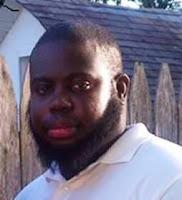
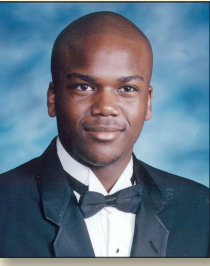
In the early morning hours of August 31, 2011, the life of 34-year-old Antwain Elisha Henderson was tragically cut short. Henderson was shot and killed in the 5800 block of Field Place, NE, in Washington, D.C. Following the shooting, his body was placed in the trunk of his own car, which was then driven to the 800 block of Balsamtree Place in Fairmount Heights, Maryland, and set on fire. Firefighters discovered Henderson's badly burned remains after extinguishing the blaze.
The medical examiner later determined that he had died from a gunshot wound to the head.
The investigation into Henderson's murder led to the arrests of several individuals. One suspect, Sean Donnelle Hawkins, told police that an argument preceded the shooting. According to Hawkins' account, another man shot Henderson in the head. Hawkins admitted to taking a handgun from Henderson's waistband after he had been shot. He also detailed how he and two other men moved Henderson's body into a nearby residence to avoid detection while police were in the area, before placing him in trash bags and putting him in his car.
Anthony Campbell was arrested on July 13, 2012, and charged with first-degree murder while armed. He was identified as the alleged shooter. Two other men, Jermaine Livingston and Phillip Glover, were named as co-defendants in the case, with Livingston initially charged with second-degree murder and Glover with obstruction of justice. The case against Campbell took a significant turn when it was revealed that prosecutors had failed to disclose to the defense that a witness had heard Henderson threaten to kill Campbell. This witness stated that Henderson, who had recently been released from prison, was angry with Campbell for being a government witness in a previous case that led to Henderson's incarceration. This procedural error, known as a Brady violation, led to Campbell's release to a halfway house after being held for over five years, as it hindered the defense's ability to argue self-defense.