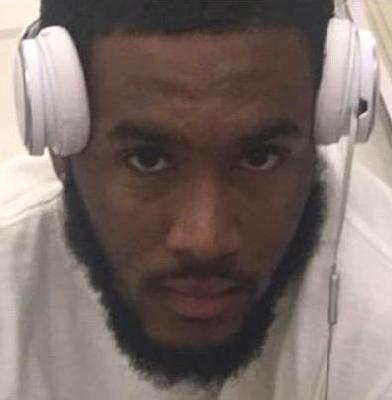
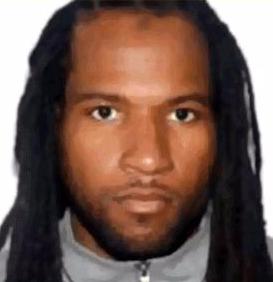
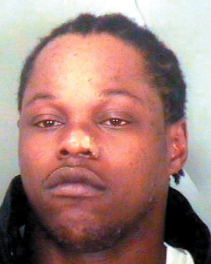
George Coleman IV, a 22-year-old Black/African American man, was spending the first minutes of Saturday, June 27, 2020, in a Southeast Washington, DC neighborhood he knew well when violence found him inside a home on the 400 block of Mellon Street SE. In the quiet just after midnight, a citizen in the area flagged down officers from the Metropolitan Police Department's Seventh District at about 12:16 a.m., reporting a shooting and pulling them into a scene that would soon become another entry
in the city's list of unsolved homicides.
When officers reached the residence, they found George inside, suffering from a gunshot wound. The early-morning calm was replaced by urgency as DC Fire and Emergency Medical Services rushed to the address and worked to stabilize him. He was transported to a local hospital, where medical staff tried to save his life, but despite those efforts he was pronounced dead. Within hours, police formally identified him as George Coleman IV of Southeast DC, and the address on Mellon Street, a short block in a residential part of the city, became the focal point of a homicide investigation that would linger far beyond that night.
Behind the crime scene tape and formal language of police releases was a young man with roots in the community. Online tributes describe George as funny and deeply loving, someone who cherished his family and friends and was remembered for putting God first in his life. He had spent time as a cadet and attended Perry Street Prep, details that hint at plans and structure, at a life moving forward rather than one standing still. On memorial pages, his name is surrounded by candles and brief, heartfelt notes from people who knew him personally, turning a line in an official report into the story of a son, a friend, and a neighbor whose absence is still felt.
For detectives in MPD's Homicide Branch, the case became part of a broader effort to stem gun violence in the city. They circulated a reward flyer bearing George's name and photo, explaining that he had been shot and killed on Mellon Street and asking the public for help. The department offered up to $25,000 for information leading to the arrest and conviction of whoever was responsible, a standard but sobering acknowledgment that someone out there likely knew more than they had yet shared. Community-focused outlets repeated the details and reward information, amplifying the call across local blogs and crime-tracking sites.
Years later, George's case remains listed by the Metropolitan Police Department among the District's major unsolved homicides from 2020. Crime-tracking and advocacy sites that profile victims still describe the investigation as ongoing and emphasize that police continue to seek the public's help to move it forward. Forum posts attached to his case discuss the lack of closure, reflecting the frustration and grief of people who have watched time pass without an arrest. As of the most recent public information, no suspect has been named, and authorities have not announced any arrest connected to his killing on Mellon Street, leaving his family and community still waiting for answers and accountability.