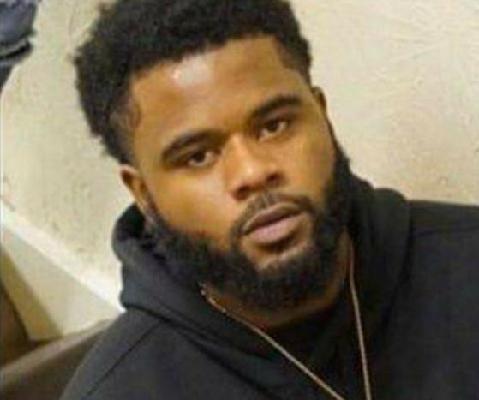
On a Sunday evening, August 2, 2020, 21-year-old Troy Coleman, an adult male from Southeast Washington, D.C., was shot on the 1800 block of Alabama Avenue SE in the city’s Douglass neighborhood. Around 8:18 p.m., police from the Metropolitan Police Department’s Seventh District were called to the area for reports of gunfire and arrived to find Troy suffering from a gunshot wound on the street along that stretch of Alabama Avenue, a corridor lined with apartment buildings and neighborhood
traffic. Emergency medical crews rushed him to a nearby hospital, but despite efforts to save his life, he was pronounced dead a short time later.
The official releases that followed painted a stark but sparse picture of the crime. Detectives from MPD’s Homicide Branch opened an investigation immediately, treating the incident as a homicide that had unfolded in a matter of moments on a summer night. The description of events remained focused on the basics: a call for a shooting, officers arriving to find a wounded victim, transport to the hospital, and the grim confirmation of his death. Public notices stressed the time and place of the shooting, hoping that anyone in the vicinity of the 1800 block of Alabama Avenue SE at that hour might remember what they saw or heard and come forward.
Beyond the official language, pieces of Troy’s life emerge from online memorials. On a gun violence remembrance site, family and friends describe him as a very humble and respectful young man. Contributors note that he worked as a janitor in D.C. and had attended Ballou High School and Ron Brown Middle School, anchoring his story firmly in the city where he was killed. In a brief but wrenching message, a loved one refers to him as “my brother,” saying he was taken too soon and revealing that he never had the chance to meet his own son, born after his death. These fragments sketch a portrait of a young worker and father whose daily life revolved around school, work, and family in Southeast Washington.
Publicly available records show that, in the years since the shooting, authorities have not announced any arrests or identified suspects in Troy’s killing. MPD issued a homicide victim notice and a reward flier offering up to $25,000 for information leading to the arrest and conviction of whoever was responsible, urging anyone with knowledge of the case to contact detectives or submit anonymous tips. The department’s Major Case/Unsolved Homicides listing for 2020 still includes Troy’s name alongside the date of August 2, 2020, and the 1800 block of Alabama Avenue SE, a clear signal that the case remains open and unsolved. Other crime-tracking and community sites that echo MPD’s appeal likewise contain no mention of a suspect description or later arrest, instead repeating the same plea for information that began in the days after his death.