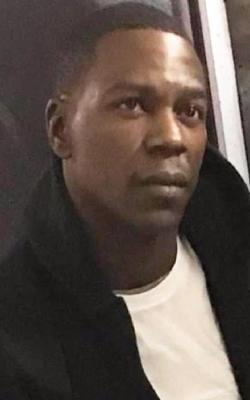
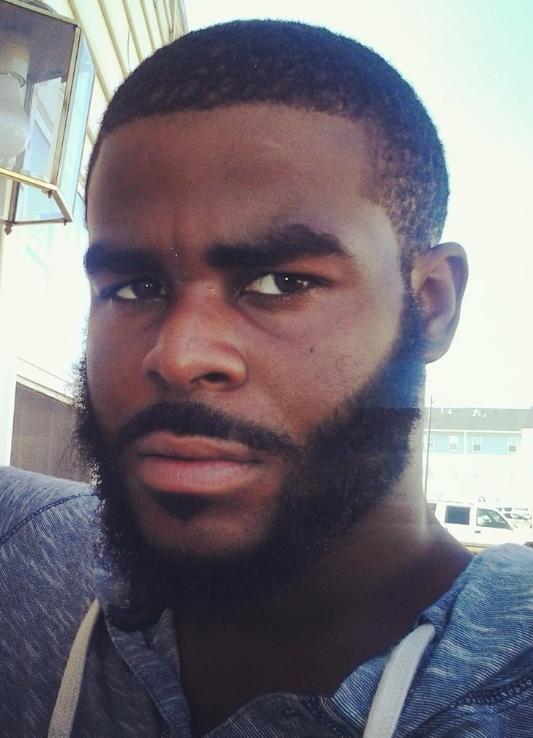
Isaiah Armstead was an 18-year-old Black / African American male from Southeast Washington, D.C., known to those close to him as “Zay,” a young man whose life stretched from his birth in November 2002 to a violent night in March 2021. He grew up in the city he would never leave, and after his death his name and photo began to appear on memorial pages where relatives and friends lit virtual candles, shared memories and tried to make sense of losing someone so young.
On the evening of March 13, 2021, residents of the Brookland neighborhood in Northeast D.C. heard the sharp crack of gunfire on the 1200 block of Irving Street NE, a quiet residential stretch not far from Catholic University and the Metro tracks. Around 9:04 p.m., Fifth District officers responded to reports of shots fired. When they arrived, they found Isaiah lying on the street, suffering from multiple gunshot wounds. D.C. Fire and Emergency Medical Services checked for signs of life but found none, and he was later transported from the scene to the Office of the Chief Medical Examiner.
In the hours that followed, details emerged that hinted at the chaos and fear in those final moments. Investigators recovered a so-called “ghost gun” at or near the scene, an untraceable firearm assembled from a kit, and noted that Isaiah had been wearing a ski mask and gloves when medics reached him. At least one witness suggested to police that the deadly encounter began as an attempted carjacking, and detectives began exploring whether the gun, the mask and reports of a nearby carjacking were all threads of the same story. Detectives canvassed the neighborhood for surveillance footage, looking for cameras on nearby homes that might have captured the moments before or after the shooting, trying to piece together how a short walk on a March night turned into a fatal burst of gunfire.
Back in Southeast D.C., word of his death spread quickly through family and friends. Online, a memorial site began to fill with photos and messages, many using his nickname and speaking directly to him, as if he might somehow read their words. Another page, maintained by a national gun violence remembrance project, placed his image among thousands of others lost to shootings, with visitors lighting digital candles and leaving brief, aching comments about the son, nephew or friend who would not grow older. In another corner of the internet, a crime-tracking site quietly listed his case details — name, city, date, the bare fact that his life ended by gunfire on a neighborhood street.
For detectives, the case remained stubbornly open. Official notices from the Metropolitan Police Department described the killing as an active homicide investigation and advertised a reward of up to $25,000 for information leading to the arrest and conviction of whoever was responsible. Years later, community case trackers and memorial pages still asked if anyone had heard of an arrest or an update, signaling that no suspect had been publicly identified and no charges announced in connection with his death. Isaiah's name thus lingers both in the official language of an unsolved homicide and in the softer, personal spaces of memorial sites, where family and friends continue to mark the date in March when his story on Irving Street came to an abrupt and violent end.