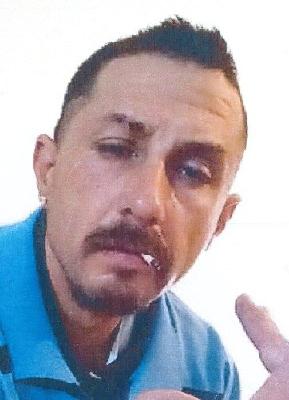
In the summer of 2006, the life of Fermin Rodriguez-Gonzalez, a 21-year-old Hispanic male from Roswell, New Mexico, was tragically cut short in Albuquerque. His death was not a random act of violence but a calculated execution tied to the dark underworld of drug trafficking. The events leading to his demise were deeply rooted in the operations of the powerful Sinaloa Cartel.
Fermin's story is intertwined with that of Rigoberto Ruiz-Alatorre, a bodyguard for a high-ranking member of the
Sinaloa Cartel. In July of that year, in Albuquerque, Ruiz-Alatorre shot and killed Fermin. The motive behind this brutal act was to protect the cartel's drug trafficking operations and to silence a potential informant. Ruiz-Alatorre feared that Fermin would provide law enforcement with details of his narcotics activities.
For years, the case remained another unsolved homicide. However, the relentless work of law enforcement eventually brought the truth to light. In May 2014, Rigoberto Ruiz-Alatorre, then 32 years old, pleaded guilty to the murder of Fermin Rodriguez-Gonzalez. His admission of guilt was part of a plea agreement after his trial on federal drug and firearms charges had already begun.
The investigation that led to Ruiz-Alatorre's conviction was a collaborative effort involving multiple agencies, including the Drug Enforcement Administration and the Federal Bureau of Investigation. In September 2014, Ruiz-Alatorre was sentenced to 28 years in federal prison for the murder. The sentencing brought a measure of closure to a case that had remained a painful mystery for Fermin's family and a stark reminder of the violent reach of organized crime.