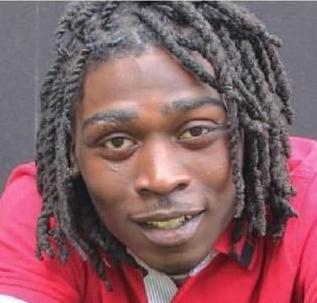
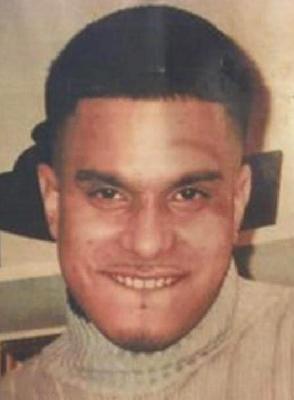
On a tragic night in Hartford, Connecticut, a beloved 41-year-old Black / African American man named Edward Duey Haslam was fatally shot. The incident, which occurred on October 3, 2009, unfolded in the city's north end after Haslam had just left the Vibz nightclub. While seated in his car, he was approached by two men intent on robbing him. When Haslam resisted their demands to hand over his money, the situation escalated, and he was shot by his assailants.
The perpetrators then fled the scene after stealing $700 and a cell phone. Haslam was rushed to a nearby hospital, but he ultimately succumbed to his injuries. This senseless act of violence cut short the life of a man known for his sociable nature and love of music.
Edward, known to many as "Duey," was born in Hartford on July 22, 1968. He was a graduate of East Hartford High School, class of 1986, and worked in construction for A & A Asphalt of Coventry. A passionate musician, he enjoyed rapping and singing and had even recorded two albums in his early thirties with a group called "Four Black Faces." His death was a devastating blow to his family and close-knit circle of friends who mourned the loss of a vibrant and cherished individual. The pain of his murder was compounded by the fact that his family had endured a similar tragedy a decade earlier when Haslam's brother, Malcolm Howard, was also murdered.
In the aftermath of the shooting, Hartford police launched an investigation to find the two suspects responsible for Haslam's death. Their efforts, in collaboration with the Cold Case Unit in the Office of the Chief State's Attorney, eventually led to a breakthrough in the case. An arrest was made, with one of the suspects already in custody for an unrelated crime. This individual was subsequently charged and convicted for the shooting death of Edward Haslam. The successful resolution of the case brought a measure of justice to a family that had been profoundly affected by recurring violence.