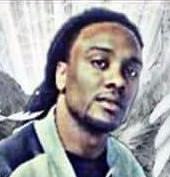
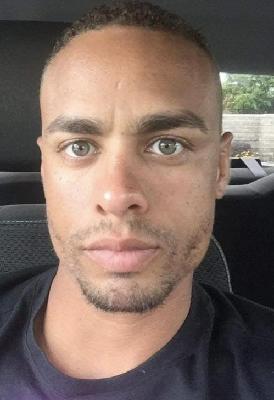
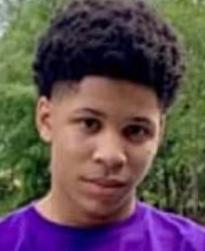
James Clarence West, a 73-year-old Black man, was killed in Augusta, Georgia, on December 3, 2024, in a daytime shooting that unfolded in the 1500 block of Picquet Avenue near Gordon Street. Deputies were dispatched around 11:22 a.m. after reports of gunfire, and West was found lying in the street. He was pronounced dead at the scene at 11:43 a.m., turning what began as a neighborhood emergency call into one of Richmond County’s homicide cases in a year already marked by rising violence.
In the first hours after the shooting, authorities publicly described the case as an active homicide investigation and said little about who might have pulled the trigger. The scene on Picquet Avenue carried the stark, sudden feel that so many street killings do: a man down in broad daylight, investigators gathering evidence, and a family left to absorb the news before they could even make sense of the morning. West’s death was later remembered not just as another number in the city’s homicide count, but as the loss of a man his relatives said was generous, soft-hearted, and always willing to help others even when his own life had been difficult.
As the case moved forward, investigators identified 27-year-old Harold Leverett Jr. as the suspect. Authorities sought him in the immediate aftermath, and he was later reported as charged with murder and weapon possession in connection with West’s death. Reports available online also noted that Leverett had prior criminal history, including earlier convictions tied to marijuana sales and firearm possession. That shifted the case from a shooting with no named suspect to one with a specific accused man at its center, giving the family at least part of the answer to who police believed was responsible.
The human side of the case came through most clearly in the words of West’s sister, Rev. Belinda West-Womack, who spoke publicly after the killing. She described talking with her brother twice that very morning, praying with him and telling him she loved him, only to receive a later call telling her he had been murdered. She said he loved deeply, tried to help people, and did not deserve such an ending. Even in her grief, she said she was praying not only for her own family but also for the young man accused of killing her brother, a detail that gave the case an especially painful and intimate dimension.
Based on the online reports available, the case did produce a named suspect and reported charges, but I did not find later publicly reported details showing a trial, conviction, or final courtroom resolution beyond the murder and weapon-possession accusations. What remains most vivid in the record is the abruptness of West’s death, the image of him found in the street on Picquet Avenue, and the voice of a sister trying to make peace with a loss that arrived only hours after one last loving conversation.