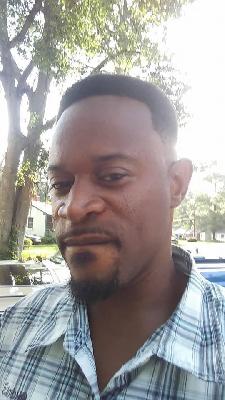
In the early morning hours of April 10, 2024, the life of 42-year-old Nathaniel Leshawn Fuller, a Black male, was cut short in Macon, Georgia. Responding to a call at approximately 5:29 a.m., deputies from the Bibb County Sheriff's Office arrived at the 2000 block of Winston Drive to a grim scene. Fuller was discovered unresponsive inside a blue Chevrolet Blazer that had come to rest in the backyard of a residence. He had sustained a fatal gunshot wound and was pronounced dead at the scene by a deputy coroner.
The subsequent investigation into the shooting led authorities to 20-year-old Jordan Lavoris Dean. He was taken into custody by the Bibb County Sheriff’s Office Criminal Investigations Division and Gang Unit at a home on Felton Avenue. Initially, Dean was charged with murder and tampering with evidence in connection with Fuller's death and was held without bond. The case against him seemed to stem from what was described as a road rage incident that began on Eisenhower Parkway. The defense attorneys for Jordan Dean argued that Fuller had become aggressive after Dean's vehicle pulled too close to his at a stoplight. They contended that Fuller then pursued the vehicle the Deans were in, rammed their car, and brandished a pistol, leading to the shooting as an act of self-defense.
The case took a dramatic and unexpected turn during Jordan Dean's trial. In a stunning courtroom admission, his 22-year-old brother, Jacorey L. Dean, took the witness stand and testified that it was he, not Jordan, who had fired the fatal shots. Jacorey claimed he acted in self-defense during the confrontation with Fuller. This startling testimony, previously unknown to prosecutors, reshaped the entire legal landscape. Following this confession, Jacorey Dean was arrested in the courtroom and subsequently jailed on charges of murder and aggravated assault.
As a result of his brother's testimony, the jury acquitted Jordan Dean of the more serious charges of murder and aggravated assault. However, he was not completely exonerated. He was found guilty of misdemeanor tampering with evidence, a charge that stemmed from his actions in hiding the car they were driving under a tarp at a relative's house after the shooting. For this conviction, he was sentenced to one year in prison. The jury also convicted him of possession of a firearm during the commission of a felony, but the judge initially overruled this. An appeals court later reinstated the firearm conviction, sending it back to the lower court for sentencing.