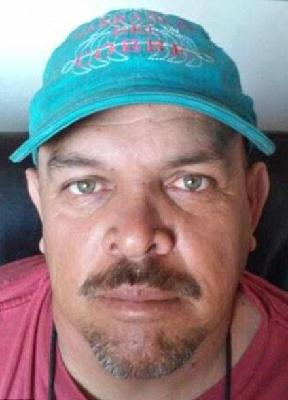
Aaron Fawcett, a 45-year-old White male from Connecticut, had moved to Mesa, Arizona, about two years before his death, drawn by the state’s scenery and the chance to spend more time hiking and fishing. He was described as someone who had fallen in love with Arizona on a road trip and decided to relocate, even as he remained closely connected to his family back east.
In the weeks before his killing, relatives say he was actively planning to return to Connecticut so he could be closer to his children and grandchildren, with specific hopes of attending family milestones like an upcoming eighth-grade graduation, a brother’s wedding, and his grandson’s baptism.
On the night of Thursday, May 12, 2022, Mesa police were called to an apartment complex at 546 South Country Club Drive, near Broadway and State Route 87, after reports of gunfire around 8:44 p.m. Responding officers found Aaron outside at the complex suffering from gunshot wounds; the injuries were fatal and he was pronounced dead shortly afterward. The location was a multi-unit apartment property along a busy corridor, and public accounts do not describe any prior disturbance or conflict immediately before the shooting. The case has consistently been classified as a homicide caused by gunfire, and public summaries emphasize that he was shot and killed at the scene rather than being injured in some broader incident like a robbery or domestic dispute, although authorities have not publicly detailed the circumstances that led up to the attack.
In the aftermath, investigators from the Mesa Police Department opened a homicide investigation but quickly acknowledged that they had very limited information to work with. Officials have publicly stated that the shooter fled and that there were no immediate witnesses able or willing to provide a clear description of the assailant or a getaway vehicle. Silent Witness, the regional crime-tip program, released a bulletin confirming the time and location of the killing, listing the suspect simply as “unknown” and noting that investigators were actively seeking any information about what happened that evening.
To encourage leads, a reward of up to $2,000 was offered for information leading to an arrest, and both Silent Witness and the Mesa Police Department repeatedly pushed appeals through local media, community-crime websites, and neighborhood platforms. A detailed write-up of the case notes that the department continues to request tips from the public, directing potential witnesses to contact Silent Witness or call Mesa police, and classifies the homicide as unsolved. These notices stress that even seemingly minor details—such as seeing a suspicious person or vehicle around the time of the shooting—could be important, underscoring how little concrete investigative information is available. As of the most recent public updates, no suspect has been named, no arrest has been reported, and authorities still describe the shooter as unidentified.
For Aaron’s family, much of what is known about his final hours comes from their own recollections rather than from investigative disclosures. Relatives told reporters that they had spoken with him about an hour before the shooting, in an ordinary conversation about sharing a streaming account, during which he expressed affection for them and talked casually about future plans they would now never share. In interviews, his stepdaughter and other family members in Connecticut described their shock and grief, saying they were waiting for his body to be returned home, waiting for an arrest, and waiting for the chance to hold a proper burial. Local news coverage emphasizes that they continue to call for justice and for anyone with information to come forward, highlighting how the lack of answers has compounded their loss even years after the night he was killed.