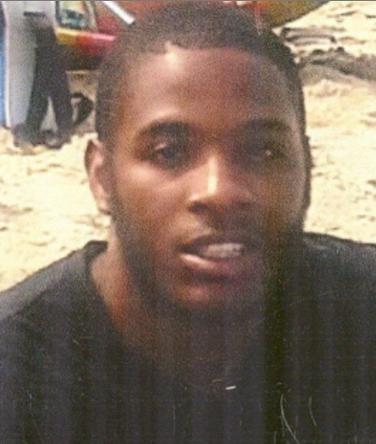
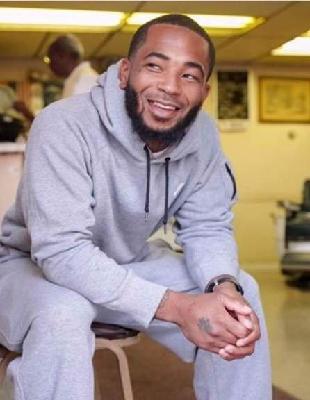
Tah’Mere Rogers-Elliott was 18 when he was shot and killed in Wilmington, Delaware, on November 22, 2014, a Black male whose life ended amid a year of intense gun violence in the city. News of his death identified him as a teenager from Wilmington, and memorial notices soon followed, sharing his full name and noting his close-knit family who would carry his memory forward.
The date fixed itself in the community’s memory not only for the loss of a young man, but for how emblematic it felt of a year when shootings and homicides weighed heavily on Wilmington’s neighborhoods.
In the days after the killing, he was publicly identified and remembered in funeral home and obituary notices, which emphasized the people who loved him and the ordinary ties of school, friends, and family interrupted by sudden violence. Community posts and memorial pages marked his age and the place and date of his death, inviting candles and tributes in his name. He became one of the faces of a broader crisis that had already left families grieving across the city that year.
Authorities reported no arrests in connection with his killing, and no suspects were publicly named. The case has not been resolved, and—like other unsolved homicides from that period—it would fall within the purview of Wilmington’s cold case investigators if new leads emerge. Years later, his death remains part of the city’s unresolved tally from 2014, a reminder of a life cut short and a case that still waits for accountability.