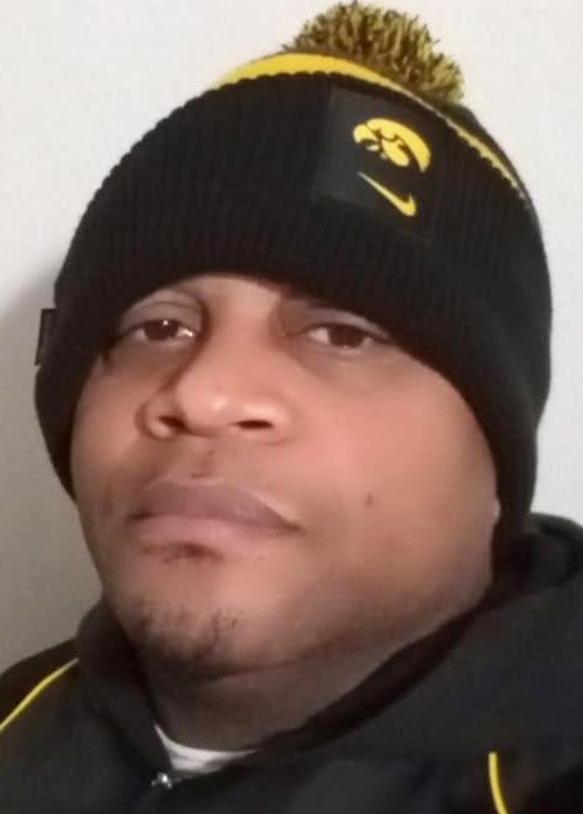
Lakendrick J. Thornton, 40, a Black/African American man, disappeared into the late-night currents of Sioux Falls on September 18, 2018, after climbing into a borrowed gold Toyota Camry with people he knew. The ride began with a familiar purpose—getting across town to buy drugs—but the confined space of the car turned tense as words sharpened and suspicion rose.
Just before 1:00 a.m., a woman named Ayom Mangor came pounding on a door, frantic and scraped up, telling officers she had just witnessed a shooting inside that moving vehicle.
Mangor told police that Kelsey Roubideaux was driving and that a man in the front passenger seat—later identified as Henry Francis Little Long—was turned toward the back seat when the argument crested. In her account, a gun appeared, the barrel swung toward Thornton, and a single shot tore through the moment and into his chest. In panic, Mangor threw open the rear door and jumped from the moving car, losing a shoe and leaving Thornton behind because she couldn't pull him out with her as she fled. The shooting, investigators later determined, happened near the intersection of Nye Avenue and Mable Street. Thornton's body was found around 9:30 a.m. in a ditch near Renner, South Dakota, and an autopsy concluded he died from that gunshot wound sometime between midnight and 2:00 a.m.
In the hours and days that followed, the case tightened around the people in that car. Investigators began interviewing those connected to Little Long, including a woman described in court records as Margaret Walking Eagle, who said he came to her home after the shooting with a gun and red tennis shoes and confessed he had killed someone, while also threatening her if she told anyone. Police arrested Roubideaux on September 20, and then arrested Little Long on September 21, 2018. A grand jury later indicted both of them on counts that included first-degree murder, second-degree murder, and first-degree manslaughter.
As the prosecution's theory solidified, Roubideaux's own role became a grim second chapter to the gunshot itself. According to court filings, she eventually admitted she helped Little Long dispose of Thornton's body and clean the car afterward, and she later entered a plea agreement tied to cooperating with authorities. Reporting on the case described her pleading guilty to being an accessory, after originally facing serious charges connected to Thornton's death.
Little Long's case went to a jury in a trial that began April 8, 2019, where witnesses retraced the route of that night and forensic details filled in what panic and darkness had obscured—blood evidence in the vehicle, cell-phone data mapping movement, and testimony describing the aftermath. The jury convicted Henry Francis Little Long of second-degree murder and first-degree manslaughter for Thornton's killing, and the court sentenced him to life in prison on the second-degree murder conviction, a punishment that closed the courtroom portion of the story even as it left the loss itself intact.