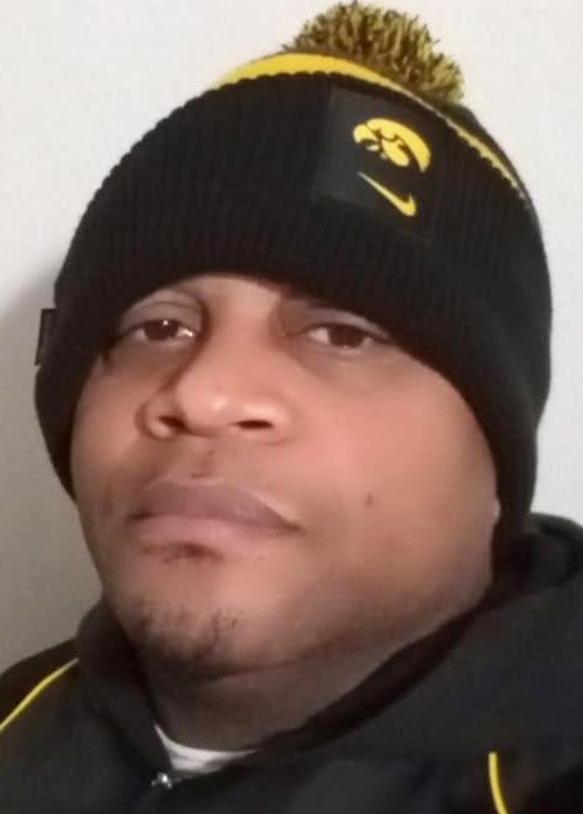
Casey Bonhorst was a 30-year-old white man from Sioux Falls, South Dakota, working a delivery shift the night of February 26, 2020, when the routine rhythm of dropping off pizzas turned into something far darker. Near the 2800 block of East Bragstad Drive, after he completed a delivery and started back toward his car, someone closed in on him with a gun, the kind of sudden, close-quarters threat that leaves only seconds to decide whether to hand over what you have or try to fight your way out.
Police would later describe it as an attempted robbery; Bonhorst was shot and died there in the street.
In the days that followed, investigators and federal partners pushed for leads, and a reward of $25,000 was publicized as they hunted for the person who ran from the scene. Tips began to come in, and the focus narrowed to Jahennessy Deunique LaPaul Bryant of Sioux Falls, who was arrested in early March 2020. He was initially accused in connection with the killing and faced major charges that included first-degree murder, second-degree murder, and manslaughter, along with an attempted robbery allegation tied to the confrontation with the delivery driver.
As the case moved deeper into the courts, it widened. Court records describe how investigators also came to suspect Raymond Banks, and by August 12, 2020, prosecutors charged Bryant and Banks together in a superseding indictment that included two counts of first-degree murder, one count of second-degree murder, first-degree manslaughter, and attempted first-degree robbery. What made the prosecution unusually tangled was that both men pointed the finger at the other when it came to the single shot that killed Bonhorst. One account cast Banks as the gunman and Bryant as the would-be helper; the other flipped the parts, with Banks portraying himself as a lookout while Bryant handled the weapon.
By late 2020 the cases were split apart, and both defendants eventually accepted plea agreements that stepped down from murder counts to first-degree manslaughter. Bryant's deal required him to testify against Banks, while Banks pleaded guilty but continued to dispute being the shooter. When sentencing came in December 2021, the court imposed long prison terms: reports described Banks receiving 80 years with 20 years suspended and Bryant receiving a sentence structured around 50 years with 25 suspended. Even at that stage, the question of who pulled the trigger still hung over the proceedings, but the pleas locked in accountability for the robbery attempt that ended Bonhorst's life.
The argument didn't end at the sentencing hearing. Banks sought to use polygraph results to bolster his claim that Bryant fired the fatal shot, but the trial court refused to consider the lie-detector evidence, and the South Dakota Supreme Court later upheld that decision, emphasizing the longstanding concerns about polygraph reliability. In the end, the legal record settled not on a definitive public finding of which man squeezed the trigger, but on the shared path that brought them to the same curb on Sioux Falls' east side—two young men converging on a lone delivery driver over the promise of fast cash, and leaving behind a death that began with an everyday knock at the door and ended with a single gunshot.