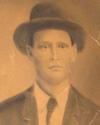
In the gritty industrial town of Wylam, Alabama, the life of 36-year-old Caucasian police officer George Clinton Eubank was cut short on the night of November 23, 1909. Eubank, a husband and father of four, was shot and killed in what would become a contentious case that saw his alleged killer, W. J. Lovejoy, face trial three times for the crime.
The fatal encounter occurred when Officer Eubank responded to a report of a disturbance.
Lovejoy, who was reportedly intoxicated, had been causing a commotion. When Eubank attempted to arrest him, Lovejoy resisted, allegedly drawing a firearm and shooting the officer. The bullet struck Eubank in the stomach, and he succumbed to the wound a few hours later. Before he died, Eubank identified Lovejoy as the man who had shot him.
Following the shooting, a manhunt ensued, and Lovejoy was apprehended the next day. He was subsequently indicted for the murder of Officer Eubank. His first trial resulted in a conviction for first-degree murder and a sentence of life in prison. However, this verdict was appealed and ultimately overturned by the Supreme Court.
A second trial also ended in a guilty verdict, this time for second-degree murder, with a sentence of 25 years. This conviction, too, was appealed and reversed. The third and final trial took place in February 1911. After a week of testimony and legal arguments, the jury returned a verdict of not guilty, acquitting W. J. Lovejoy of the murder of Officer George Clinton Eubank. The defense had argued that the shooting was in self-defense, a claim that the jury in the final trial seemingly accepted. The acquittal of Lovejoy brought a conclusion to the legal proceedings, though the tragic death of Officer Eubank left a lasting impact on his family and the community he served.