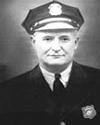
In the turbulent spring of 1914, Anniston, Alabama, was a city grappling with the violence that often accompanied the illicit trade of bootlegging. This volatile environment would ultimately claim the life of its young police chief, Harry Shiretzki. At just 28 years old, the male lawman was a figure of authority in a town where that very authority was frequently challenged.
On the evening of Saturday, May 23, 1914, Chief Shiretzki was in the area of the Louisville and Nashville Railroad
depot. He was reportedly attempting to quell a public disturbance when he was shot. The bullet struck him in the abdomen, a wound that would prove to be fatal. He was rushed to a local hospital for medical care, but despite the efforts of the physicians, he succumbed to his injury in the early hours of the following morning.
The immediate aftermath of the shooting saw the swift identification of a suspect. A man by the name of Gus Ashley, who was a cook at the L and N restaurant, was taken into custody in connection with the fatal shooting of the police chief. The motive for the shooting was not extensively detailed in the available information, but the context of the era in Anniston points towards the ongoing tensions between law enforcement and those involved in the illegal liquor trade.
The death of Chief Shiretzki was a stark reminder of the dangers faced by law enforcement in Anniston during this period. The city had become a hotbed of violence, with a number of officers being killed in the line of duty in the years surrounding Shiretzki's death. This wave of violence was largely attributed to the city's role as a center for illegal alcohol distribution, which fostered a climate of lawlessness and a deadly resistance to police authority. Information regarding the specifics of any trial or conviction for Gus Ashley in the murder of Chief Harry Shiretzki is not readily available in the provided online sources.