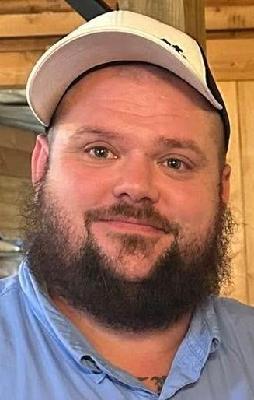
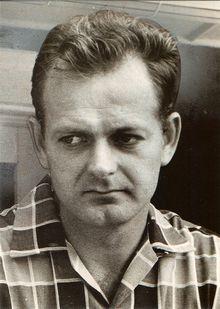
In the late summer of 1984, a tragic event unfolded in the small city of Attalla, Alabama, forever altering the lives of several families. On August 25th, William Robert 'Bobby' Payne, a 43-year-old male, along with his 31-year-old wife Nancy, made a stop at the Guest Service Station. It was a routine visit for cigarettes and soft drinks that placed them at the center of a brutal and senseless crime.
That day, the service station became the scene of a quadruple homicide.
William and Nancy Payne, along with the station owner's son, Ronald Michael Guest, and an employee, Wilbur T. Nelson, were all shot and killed during a robbery. The quiet evening was shattered by an act of violence that would leave the community in shock and mourning.
For months, the case remained a grim puzzle for law enforcement. A significant breakthrough came in March 1985 when a local resident discovered a. 44-caliber magnum revolver near Black Creek. Ballistics testing confirmed it was the weapon used in the murders at the service station. This discovery was a crucial turning point in the investigation, leading authorities to the perpetrator.
The investigation ultimately zeroed in on Tommy J. Fortenberry. After the murder weapon was traced to a gun repair shop with ties to his father, Fortenberry was brought in for questioning. During interrogation, he provided several conflicting stories but eventually confessed to the robbery and the four murders. He revealed that his motive was a gambling habit that had driven him to seek money through robbery. Fortenberry recounted that he was robbing Nelson when Guest attempted to intervene, and the Paynes tragically arrived at the station at that moment.
Tommy J. Fortenberry was subsequently charged with two counts of capital murder: one for the murders of two or more persons and another for robbery-murder. In February 1986, a jury found him guilty as charged and unanimously recommended the death penalty. Following the jury's recommendation, the judge sentenced Fortenberry to death. After years of appeals, his sentence was carried out, and he was executed by lethal injection on August 7, 2003.