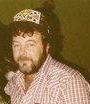
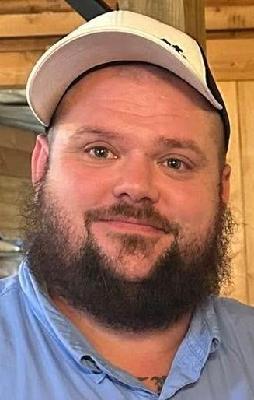
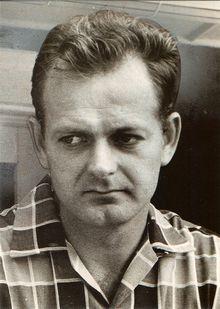
Irvin C. L. Starling, a 36-year-old male patrolman with the Attalla Police Department, was working the kind of shift where nothing is supposed to stand out—headlights cutting through the dark, the steady rhythm of patrol, the small decisions that keep a town stitched together. On Saturday, February 22, 1975, that routine turned deadly during a traffic stop in Attalla, Alabama.
The driver he pulled over had, according to later accounts, just beaten his wife moments earlier, and the tension that should have stayed inside a private home spilled out onto the roadside. As Starling approached the driver’s window, the man opened fire, striking him and then fleeing from the scene.
Witness recollections and family memories describe a sudden, shocking burst of violence: the suspect stepping out and firing as the officer tried to respond, the terrible disbelief of bystanders realizing an ordinary stop had become a killing. In the years that followed, Starling’s family publicly corrected details that circulated about the shooting, saying he was hit twice—once in the hand and then in the heart—details offered not as spectacle but as a family’s insistence on telling his story accurately after being forced to relive it again and again. Starling had been with the department only a short time—six months—yet he left behind a wife and three children who would carry the weight of that night far beyond the sirens.
The gunman did not vanish. Authorities captured him a short distance away, and the case moved from the roadside into courtrooms and prison walls. The suspect—identified in later reporting and public records as James E. Gaskey—was convicted of first degree murder and sentenced to life in prison. Decades later, even as years dulled headlines, the consequences did not dull for the people left behind: Starling’s killing remained a living event for his family, not a date on a memorial page.
When parole hearings arrived, they reopened the wound. An account from the Times Montgomery Bureau reported that on April 18, 2007, the Alabama Board of Pardons and Paroles denied Gaskey parole for the 1975 shooting. The hearing drew testimony urging the board to keep him incarcerated, including Starling’s widow and two of their children, along with Alabama’s attorney general at the time, Troy King, and state senator Larry Means of Attalla. The board’s decision meant Gaskey would not be considered again until April 2012, the maximum denial period allowed under the board’s rules as described in that report.
Gaskey ultimately never walked free. Later summaries of the case state he died in prison on May 21, 2017, closing the legal story without undoing the human one—the abrupt end of an officer’s life on a February night, and a family’s long years of holding onto his name through anniversaries, hearings, and the uneasy knowledge that the past can keep trying to return.