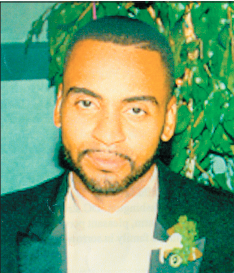
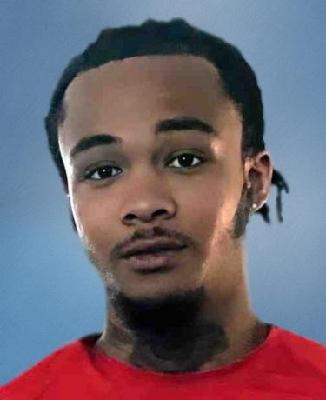
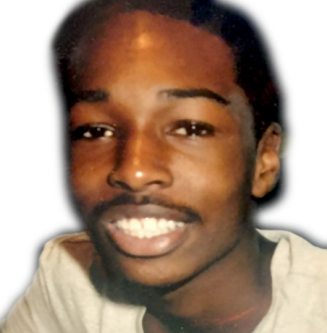
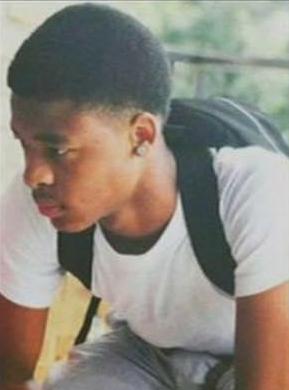
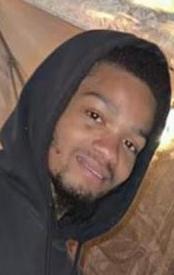
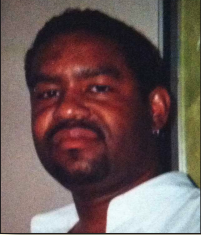
On the night of June 19, 2007, life in Northeast Washington moved along the rowhouses and apartment blocks of Trinidad, the neighborhood where William Marquez Aull, a 20-year-old African American man, made his home on the 1600 block of Trinidad Avenue NE and balanced the pull of friends and work with the responsibilities of being Kamaria Royster's father and a son and grandson in a large, intertwined family.
His obituary later sketched the outlines of that circle: a mother, Twanda Aull, a father, Willie L. Johnson Jr., a stepfather, Reginald Tillman, a sister named Ronnay, and grandparents on both sides who claimed him as their own, all of them suddenly forced to remember him in the past tense rather than through the everyday rhythms of visits, phone calls, and neighborhood encounters.
Late that Tuesday, a call went out to police reporting the sharp, echoing sound of gunfire behind 1211 18th Street NE, just a few blocks from where the tight grid of Trinidad gives way to Carver Terrace and Langston. At about 10:50 p.m., officers from the Metropolitan Police Department reached the rear of the building and found Aull lying there, struck by gunshots to the head and upper body. Fire department medics arrived but could find no signs of life at the scene; he was turned over to the Office of the Chief Medical Examiner and formally pronounced dead, his final journey beginning not at a hospital but from the alley where he had fallen. Official notices would boil those moments down to a few clinical lines, but behind the language of “gunshot wounds” and “pronounced dead” was the abrupt end of a young father's future in the city where he had grown up.
From the beginning, detectives in the Violent Crimes Branch took up the case, circulating a reward flyer that fixed the time, place, and method of the killing and asked anyone who knew what happened behind 1211 18th Street NE that night to speak up. The flyer listed two lead investigators, Detectives Edward Truesdale and Tony Paci, and promised up to $25,000 for information leading to an arrest and conviction, the same amount the department offers in other homicide cases across the District. Years later, data compiled from police and court records for the Washington Post's homicide database would classify Aull's killing as a shooting with robbery as the suspected motive and mark the case status as “open,” reflecting that no one had been brought to justice. CrimeSolvers and other summaries now describe his death explicitly as one of Washington's still-unsolved homicides from 2007, reinforcing what the lack of court records and continuing reward notices already imply: there have been no public identifications of suspects, and no arrests have been announced in connection with the shooting that ended his life.
In the absence of answers, his story has been kept alive most vividly in memories shared by those who knew him. The online guestbook attached to his Washington Post obituary became a kind of vigil that stretched over years: relatives writing on holidays and birthdays, friends marking each August with messages that imagined how he would have celebrated another year, people from his school days recalling classroom jokes that now felt like small treasures. One former teacher spoke of how knowing him had enriched their own life, while a friend described carrying his name in a tattoo as a daily reminder of the bond they shared. Family members wrote on Father's Day to acknowledge the child who would grow up without him, and on Christmases and New Year's they returned again and again to the same simple refrain—that he was loved, that he was missed, and that the hole left by the violence on that June night had never truly closed.