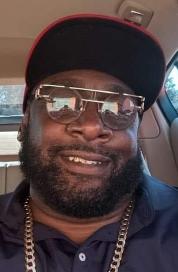
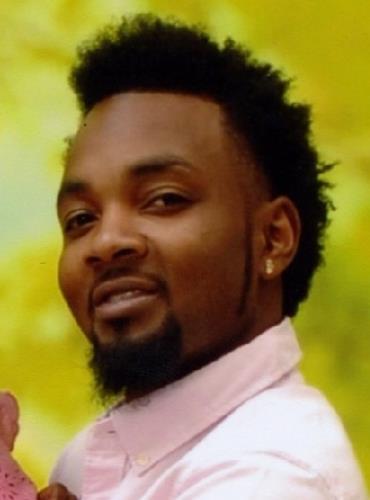
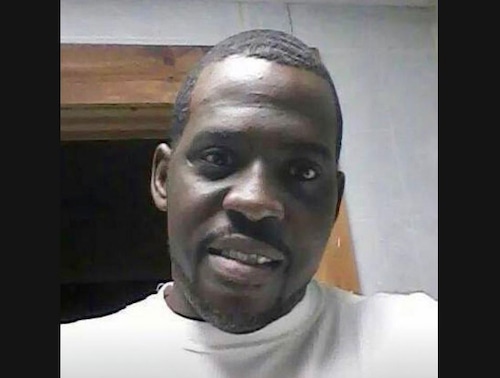
Rickey Jones, a 42-year-old Black male from Birmingham, died on April 5, 2014, after a shooting that local and later memorial-style reporting tied to an argument over laundry. The fragments of reporting that remain online paint the scene as something painfully ordinary turning fatal: a dispute flared, gunfire followed, and Jones was left with wounds that proved deadly after he was taken for medical treatment.
His death was one of the homicides recorded in Birmingham during 2014, and the brief obituary notices that followed fixed the date and place but offered little public detail beyond the family’s grief and funeral arrangements.
What makes the case feel especially stark is how little public narrative survived around it. The available online sources agree that Jones was killed by gunfire in Birmingham on that April day, but they do not preserve a long public account of who was with him, what words were exchanged, or how quickly the argument spiraled into violence. Instead, the record is left in pieces: a city homicide dataset showing Birmingham was tracking such killings that year, a gun-violence entry preserving Jones’s name and age, and a short obituary marking the sudden end of his life. Together, those sources suggest a case that was real, immediate, and devastating, yet only thinly documented in the public record that is easily searchable today.
As for suspects, arrests, or later court action, I did not find any publicly indexed online source that named a suspect, described an arrest, listed charges, or traced the case through a trial or conviction. The online material I could verify confirms the death and the reported laundry-related dispute, but it does not clearly show who fired the shots or whether the case ended in an arrest. In that sense, the story that remains online is less a full case file than a quiet outline of a life cut short and a homicide that, at least in the easily accessible public record, never received the kind of detailed follow-through that many other murder cases do.