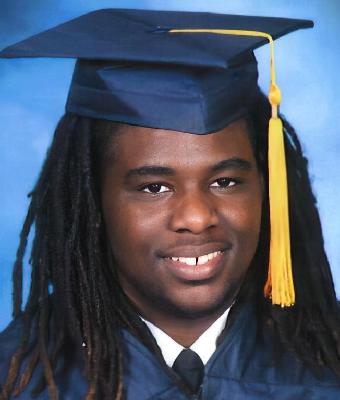
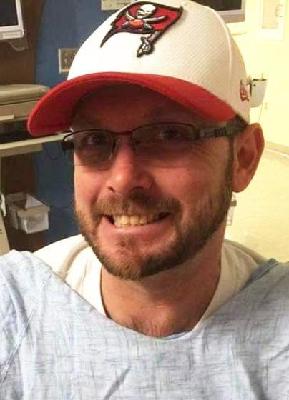
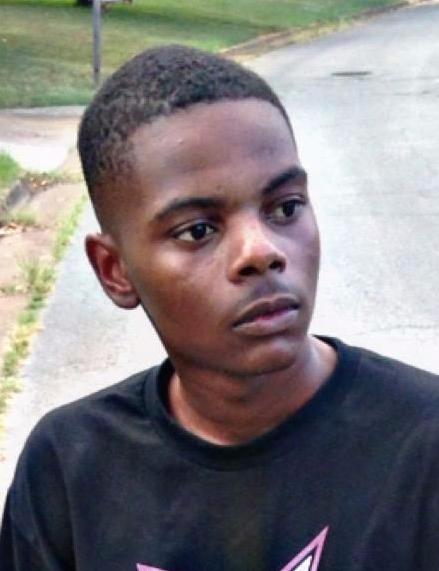
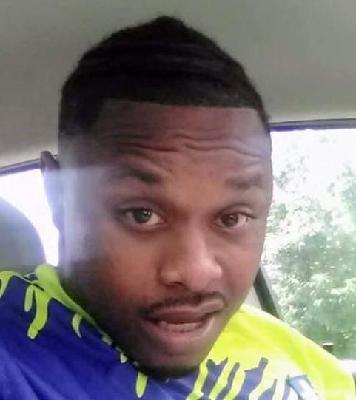
In the summer of 2016, the life of a young Black man, Kendall Westbrook, was tragically cut short in Huntsville, Alabama. On the evening of June 17th, the 25-year-old was discovered inside a vehicle in a residential area, having sustained fatal gunshot wounds. Emergency responders were called to the scene following a report of a shooting and found Westbrook in critical condition.
Despite their efforts, he was pronounced dead at the scene.
The investigation into the death of Kendall Westbrook quickly determined that it was not a random act of violence, but rather a homicide. Detectives from the Huntsville Police Department began to piece together the events leading up to the shooting. Their investigation suggested that Westbrook had been involved in a dispute with another individual prior to his death, and this altercation became a central focus for law enforcement as a possible motive. Investigators explored the possibility that an ongoing personal conflict had escalated to a fatal confrontation.
Through witness interviews, the collection of forensic evidence, and the review of available surveillance footage, authorities were able to identify persons of interest who were reportedly present at the time of the shooting. This eventually led to a significant development in the case. In the weeks following Westbrook's death, an arrest was made. A suspect, who was known to Kendall Westbrook, was taken into custody and subsequently faced charges related to the murder. The case was marked as solved, bringing a measure of closure to a community shaken by the violent loss of a young life.