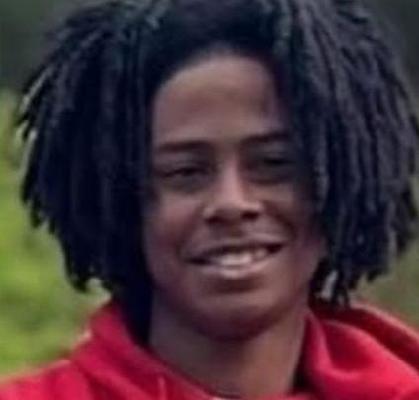
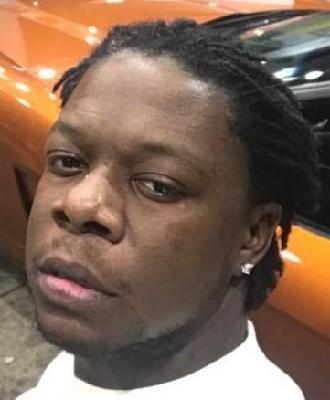
Vincent Webster Cole, a 20-year-old Black/African American male from Bessemer, Alabama, was killed in the afternoon of April 4, 2018, when violence broke into the everyday rhythm of Southside Homes. The call came in just before mid-afternoon, and police rushed to the 200 block of Berkley Terrace. There, officers found him shot and already dead, the scene still fresh with the shock of what had happened and the sudden silence that follows after gunfire stops.
In the immediate aftermath,
the picture formed in quick, urgent strokes. Detectives learned that whoever was responsible didn’t linger. The suspects fled the area, and investigators focused on a vehicle tied to the escape: a dark-colored Chevrolet Trailblazer with a light-colored door on the rear driver’s side. That detail—oddly specific, the kind people remember when something terrible happens fast—became a key thread in the search, a moving clue cutting through the neighborhood streets.
By the next day, the case tightened. Bessemer police arrested two men, Ladarius Burts and Willie Jenkins III, and charged both with capital murder in Cole’s death. Authorities said the arrests came Thursday, and the two were held without bond, the severity of the charge signaling that investigators believed the killing met the legal threshold for Alabama’s most serious homicide accusation.
The public account of the case, as it unfolded, centered on the rapid shift from an unsolved daylight shooting to the announcement of two capital-murder charges. Beyond the identification of the suspects, the escape vehicle description, and the arrests, the publicly shared details did not paint a full portrait of what led to the gunfire—what sparked it, what words were exchanged, or whether the shooting was planned or erupted in the moment.
What remains, in the simplest timeline, is stark: a young man gunned down on Berkley Terrace on April 4, and two men taken into custody and accused of capital murder the following day.