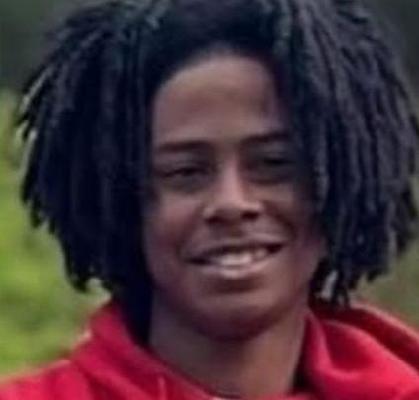
Sean Patrick Coker, 46, a man, died on April 17, 2021, in Bessemer, Alabama, after violence found him in a place that should have been forgettable: a hotel room. It happened at the Quality Inn on Academy Lane, the kind of stop people pass through while they’re between one point and the next, chasing schedules, chasing paychecks, chasing the small comforts of a shower and a bed before the road calls again.
Instead, that room became the last chapter of his life, and the silence that followed was heavy with questions no family should have to carry.
Authorities said he was found inside the hotel and that his death was the result of blunt force trauma. Those words can sound clinical on paper, but they describe something terrifyingly human: a beating so severe it ended a life. It’s the kind of detail that doesn’t just explain what happened, it also hints at the fear and pain that must have filled the final moments. For the people who loved him, that fact alone would have been enough to change the way the world looked forever—because once you hear it, you can’t unhear it.
As the investigation moved forward, attention turned to who might be responsible. Two suspects were identified: Adrianna Stephens, 28, and Isiah Atkins, 32. Murder warrants were obtained, and what had begun as a grim discovery at a hotel became a case with names attached—names that, from that point on, would be tied to Sean’s in every telling of his final hours. Police took them into custody after a vehicle pursuit, a frantic attempt to get away that ended with the reality that you can run for a little while, but you can’t outrun what you’ve done. Along with the murder charges, each also faced a charge of attempting to elude, a detail that paints the picture of a flight fueled by panic, calculation, or both.
But beyond the arrests and charges, there was still the aching absence of a full explanation. A life ended, suspects named, custody secured—yet the deeper why and how remained out of reach in the details that were publicly known. Families live in that space for a long time, the gap between what is officially stated and what their hearts need to understand. It’s a strange kind of torment, because the facts that do exist become anchors, while everything missing becomes a storm.
And in the middle of all of it is Sean himself—not just a victim in a headline, not just the subject of an investigation, but a whole person whose story didn’t begin in that hotel room. He was remembered as a truck driver, someone who knew what it meant to keep moving, to carry responsibility mile after mile, often far from home. He was also a U.S. Marine veteran, a role that speaks to years shaped by discipline, service, and the unspoken burdens that can follow a person long after the uniform is put away. Whatever roads he traveled, whatever plans he had for the days ahead, he did not deserve for his life to be reduced to a room number and a cause of death.
When someone is taken this way, the grief doesn’t arrive neatly. It comes in waves—first the shock, then the disbelief, then the endless replaying of what might have been different if one decision had changed: a different hotel, a different night, a different path through Bessemer. It comes with the small, cruel details too: the knowledge that a place designed for rest became a place of harm, that the ordinary routines of travel and work were interrupted by violence.
The arrests may have offered a first breath of relief to those who were desperate for accountability, but an arrest is only the beginning of a long road. Charges are promises made on paper, and the people left behind have to wait through the slow grind of legal steps, each one carrying hope and dread at the same time. They have to keep living while the system sorts through what happened, holding tight to the parts of Sean that were never captured in reports—his voice, his habits, the stories he told, the way he made others feel when he walked into a room.
In the end, what lingers is the contrast: a man who served, a man who worked, a man who was traveling through life as so many do—ended in a sudden act of brutality in a hotel in Bessemer. The case moved quickly enough to put two suspects in custody, but the weight of what was lost doesn’t move quickly at all. It settles into the lives of the people who knew him, and it stays there, a permanent reminder that behind every set of charges and every official statement is a person who should still be here.