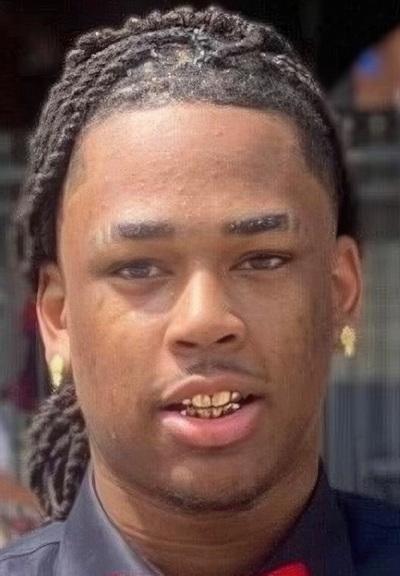
In the winter of 2018, the life of 32-year-old Kirby Kermit Davis Jr. came to a violent end in Birmingham, Alabama. On the evening of December 20th, an encounter at an apartment complex would culminate in a fatal shooting, leaving a family to grieve and a legal case that would unfold over the next few years. The incident that led to Davis's death was not a straightforward affair, but rather a complex sequence of events that involved allegations of robbery and a claim of self-defense.
The
man who fired the fatal shot, Samuel Bernard Smith, then 23 years old, would find himself at the center of the investigation. In early 2019, Smith was arrested and charged with capital murder in connection with Kirby Kermit Davis Jr.'s death. The narrative that emerged during the legal proceedings painted a picture of a pre-arranged meeting that took a dangerous turn. According to testimony, the incident began with a plan for a marijuana transaction. However, upon meeting, the situation escalated dramatically.
Smith asserted that he was the victim of a robbery and kidnapping at the hands of four men, including Davis. He testified that the men brandished weapons and took his belongings. The confrontation continued, moving from a parking lot to Smith's apartment. After being pushed down, Smith claimed he armed himself and went outside to ensure his assailants had left. It was then, he stated, that gunfire erupted from the vehicle the men were in, and he returned fire in self-defense. The exchange of bullets resulted in the vehicle crashing and Davis being pronounced dead at the scene.
The legal battle that followed culminated in a significant ruling in April 2022. A Jefferson County Circuit Judge dismissed the capital murder charge against Samuel Bernard Smith, citing Alabama's 'Stand Your Ground' law. The judge determined that Smith had the right to defend himself under the circumstances presented in court. This decision effectively closed the legal chapter on the death of Kirby Kermit Davis Jr., leaving a story marked by a fatal encounter and a contentious claim of self-preservation.