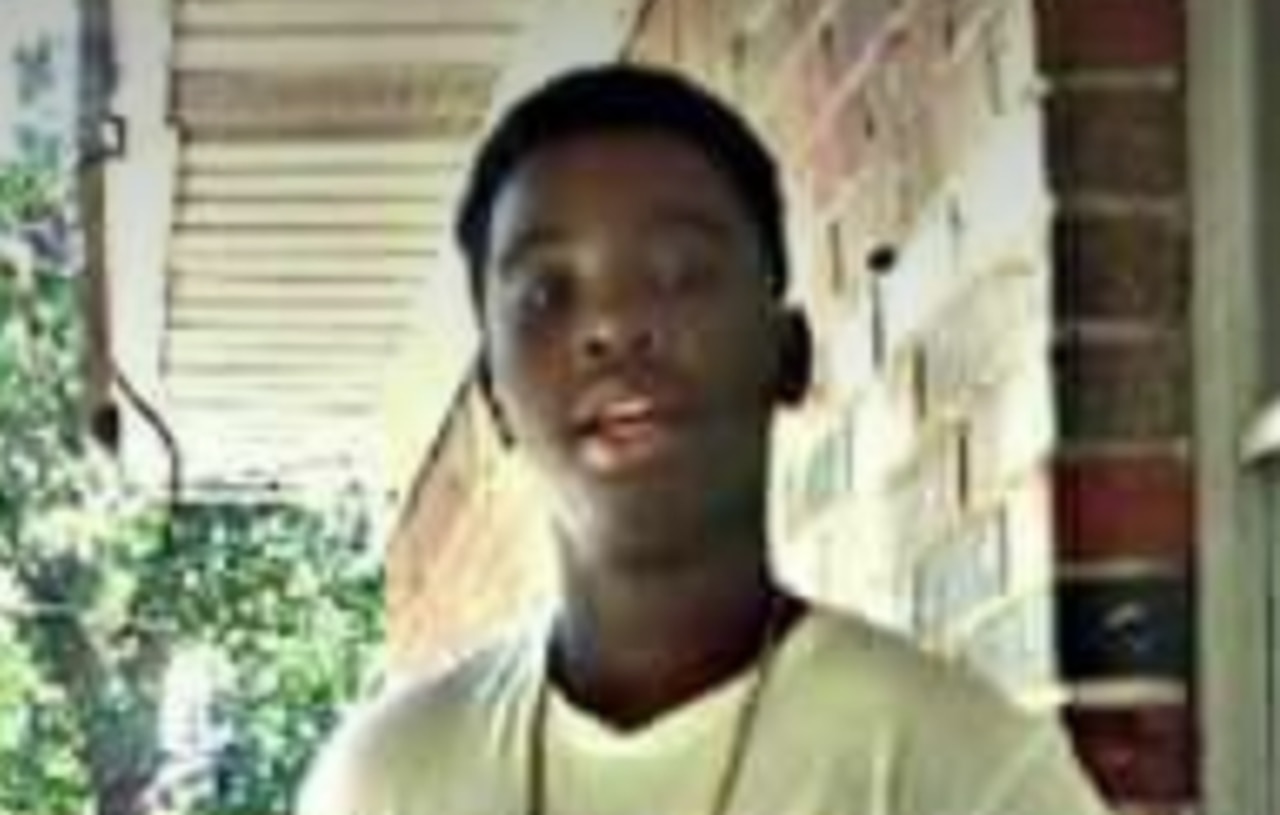
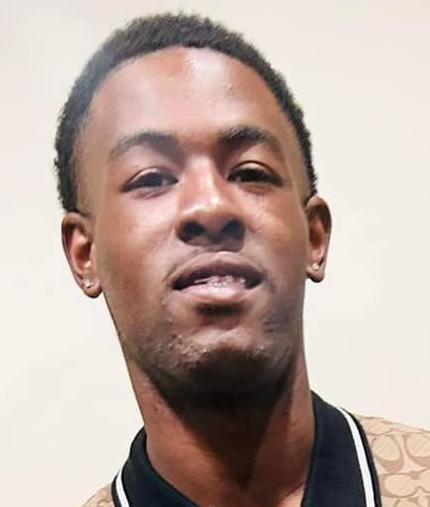
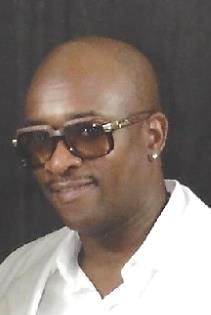
In the late-night hours of a summer Saturday, a dispute between two friends in a Birmingham, Alabama, housing community turned into the first known murder by a man who would go on to kill again. The victim was Gregory Manson, a 19-year-old male. His life was cut short on August 20, 1977, in a burst of sudden and shocking violence that marked the beginning of his killer’s long and destructive path through the justice system.
The night Gregory died, he was with his 16-year-old friend,
Donald Broadnax. Around 1:30 a.m., in the Elyton Village public housing community, an argument broke out between the two teenagers. The disagreement escalated with terrifying speed. Broadnax, though younger, pulled out a gun and fired six shots at Gregory, who fell to the ground. In a moment of chilling brutality, Broadnax didn't stop there; he reloaded his weapon and fired three more times into his friend's body before fleeing the scene.
The investigation into Gregory's murder led to Broadnax's arrest approximately three months later. He was charged with first-degree murder for the shooting. The following year, in 1978, a court convicted him of second-degree murder. For ending Gregory Manson's life in such a violent manner, Donald Broadnax was sentenced to 99 years in prison. It was a significant sentence, but it came with the possibility of parole, a provision that would have devastating consequences years later.
For a time, it seemed justice, though incomplete, had been served. Broadnax was behind bars, but the system that put him there would eventually grant him a second chance. In 1986, after serving only a fraction of his 99-year sentence, he was granted parole and returned to the streets of Birmingham. His freedom was short-lived, as he was arrested within two years for a parole violation after police found him at the home of a notorious local drug dealer. He was sent back to prison.
A few years later, in 1992, Broadnax successfully applied for a work-release program and was transferred to a center in Alexander City. While in the program, he married Hector Jan Stamps in 1994. This new chapter, however, would end in even greater tragedy. In April 1996, while on a work-release assignment, Broadnax brutally murdered his wife and her 4-year-old grandson, DeAngelo Marquez Stamps, beating them both to death. He hid their bodies in the trunk of his car, which he abandoned in the same Elyton Village community where he had killed Gregory Manson nearly two decades earlier.
The discovery of these new crimes led to Broadnax's final arrest. This time, the justice system would ensure he could not harm anyone again. In 1997, he was convicted on four counts of capital murder for the deaths of his wife and her young grandson. The jury unanimously recommended the death penalty, and the judge agreed. His conviction was made capital partly because of his prior murder conviction for killing Gregory Manson. After a series of appeals, his death sentence was repeatedly upheld. Donald Broadnax, the teenager who began his violent criminal history with the murder of his friend, remains on death row at Holman Correctional Facility in Atmore, Alabama.