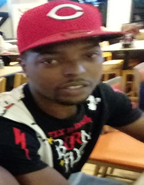
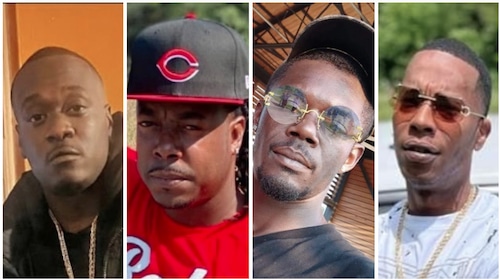
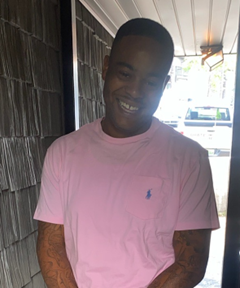
Keyon Pollock, a 22-year-old Black male from Birmingham, was fatally shot late on October 24, 2022, in the city’s Sandusky area on the west side. According to Birmingham police accounts carried by local news outlets, the night turned desperate when a 911 call came in just after 10 p.m. from a home in the 10 block of Elba Avenue. Pollock had made it to that residence wounded, asking for help and saying he had been shot.
Officers arriving at the house found him suffering from a gunshot wound, and Birmingham Fire and Rescue rushed him to UAB Hospital with life-threatening injuries. For a few hours there was still that narrow space between hope and finality, but he died at the hospital early the next morning. Public records and gun-violence tracking entries place the shooting at the same Elba Avenue location and identify his death as one of Birmingham’s many homicides during a grim year of escalating violence.
What emerges from the available reporting is a brief but haunting picture: a young man wounded somewhere in the area, still conscious enough to seek refuge, still able to knock on a door and ask strangers to call for help. That detail gives the case its human shape. Rather than being discovered in silence at the scene, Pollock’s last known moments unfolded in motion, with him trying to survive long enough for someone to answer. News coverage identified him simply as a Birmingham resident, and later memorial pages tied his death to the broader toll of gun violence in the city. A separate feature about gun violence in Birmingham also remembered Pollock as one of several former Jackson-Olin football players whose lives ended in shootings, adding another layer to the sense of a life that extended beyond the police blotter and into a school and community that knew his name.
As for suspects, arrests, and charges, the public trail appears to go quiet very quickly. In the immediate aftermath, Birmingham police said there were no suspects in custody. Across the accessible online sources, there is no clear public record naming a suspect in Pollock’s killing, no publicly reported arrest tied to the case, and no indication from the sources reviewed that anyone was charged, tried, or convicted in connection with his death. The absence of those later milestones leaves the case with the unfinished feel that so many homicide cases carry: a known victim, a known place, a known date, and a final run for help, but no publicly identified person brought forward in the reporting as responsible.