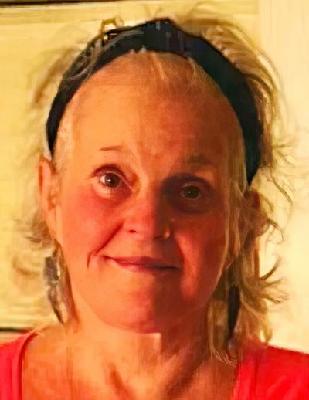
On May 16, 1981, White female 19-year-old Lori Scott King vanished in Fairbanks, Alaska. Months later—on September 2—her remains were recovered near Eielson Air Force Base, the discovery that tied her fate to a frightening pattern then unfolding around the city. Investigators would later learn that victims in this series were typically strangled and then shot, a signature that began to link Lori Scott King's death to several other disappearances of young women and girls in the area between 1979 and 1981.
As bodies were found within a tight radius of the base, suspicion grew that the killer might be connected to the military community. By early 1982, the multi-agency task force had narrowed its sights to a small cadre of potential suspects tied to Eielson, and a name soon emerged: Thomas Richard Bunday, an Air Force technical sergeant who had been transferred out of Alaska shortly after the last known killing. The geographic clustering of the recovery sites around Eielson, coupled with similarities in the victims' injuries and circumstances, pushed investigators toward the conclusion that a single offender with military ties was responsible.
Bunday was questioned in Texas in March 1983. During searches of his home and car, authorities found evidence linking him to the Fairbanks murders, and he gave a detailed confession to killing five victims from the Fairbanks area. A procedural error meant there was no arrest warrant in hand at the end of that interrogation; despite the confession, he was released. Days later, as Alaska authorities issued the warrant, Bunday died when he drove his motorcycle into an oncoming truck near Wichita Falls—an act ruled a suicide—effectively ending any prospect of a trial.
In the years since, publicly available accounts have continued to attribute Lori Scott King's killing to Bunday's series. Memorial and case summaries list her among his identified victims, noting her death date as May 16, 1981, with recovery of her remains later that year. While no court ever rendered a verdict—because the suspect died before he could be arrested and prosecuted—the investigative record, confession, and case histories have left little doubt about the trajectory of the inquiry, the absence of any other arrests, and the conclusion reached by the task force that the murders ceased when the offender left Alaska.