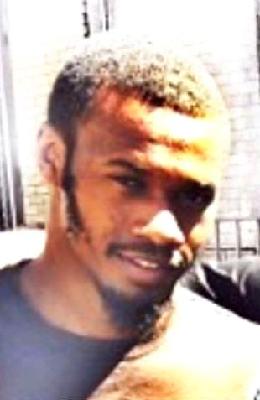
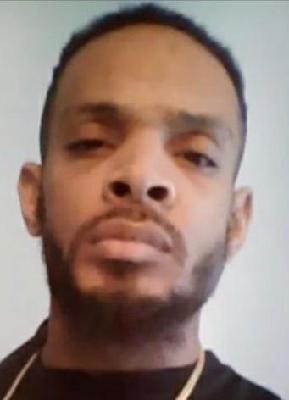
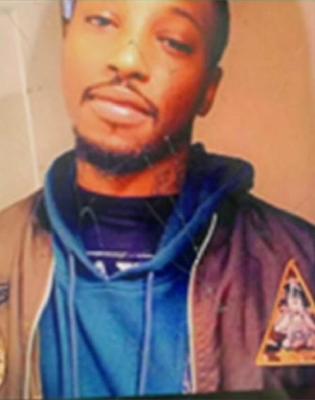
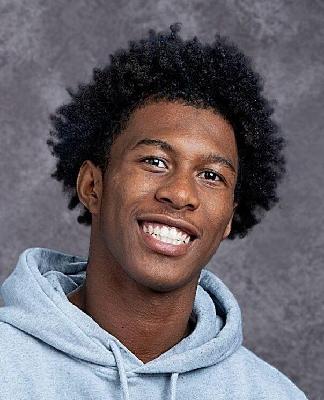
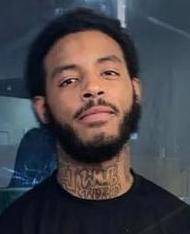
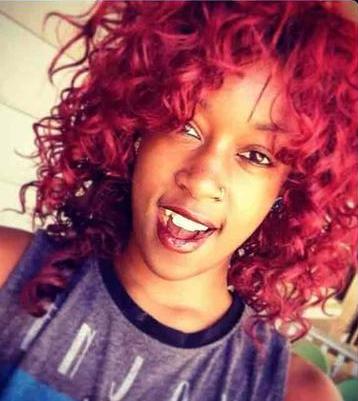
Brandon Hicks, a 24-year-old Black male from Philadelphia, Pennsylvania, lost his life on January 20, 2008, in a homicide recorded on the 5000 block of McKean Street. His death became part of Philadelphia’s long and painful record of violence that year, but behind the brief public listing was a real person whose life ended far too soon. Brandon was only twenty-four, an age when many people are still shaping their future, still building their identity, still finding their way through
adulthood. Instead, his name was added to a list no family ever wants to see.
The details available about Brandon’s death are limited, but the weight of the loss is not. The public record shows that the assault and his death were both listed on January 20, 2008, suggesting that whatever happened that day unfolded with deadly finality. On a winter day in Philadelphia, in the area of McKean Street, Brandon’s life was taken, leaving behind unanswered questions and people who had to carry the grief of losing him. A homicide record can reduce a life to a date, a block, and a case entry, but Brandon was more than that. He was someone’s son, someone’s loved one, someone whose absence would have been felt in ways no official listing could fully capture.
What makes cases like Brandon’s especially heartbreaking is the silence that surrounds them. There is no detailed public account explaining what led to the violence, no clear description of the moments before he was fatally assaulted, and no known motive available in the online information. The public record does not say whether Brandon knew the person responsible, whether the incident began as an argument, whether it was sudden, targeted, or connected to something larger. That absence of information leaves a painful emptiness, because for the people who cared about him, the loss was not abstract. It was immediate, personal, and devastating.
No publicly available information identified any arrests, named suspects, charges, trial, or conviction connected to Brandon Hicks’ death. That lack of reported case movement adds another layer of sorrow to an already tragic story. When someone is killed and no suspect information is made public, loved ones are often left with grief that has no clear place to go. They are left not only mourning the person they lost, but also wondering who was responsible and whether anyone would ever be held accountable. In Brandon’s case, the available online details do not provide those answers.
Brandon’s story, as it can be told from the available information, is one of a young life cut short and a case left publicly unresolved. He died in Philadelphia at twenty-four years old, and the record of his death remains painfully brief. But even when the details are few, the loss still matters. His life cannot be measured only by the circumstances of his death, and his name should not disappear into a list of statistics. Brandon Hicks was here. He had a life before January 20, 2008, and his death left behind grief, questions, and the lingering need for answers.