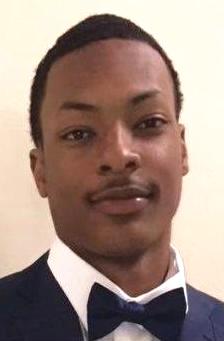
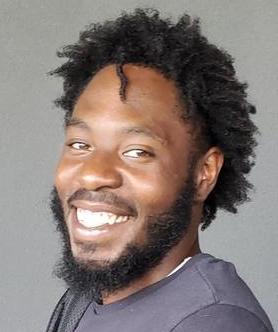
In the spring of 2011, Philadelphia was in the grip of a surge in violence that saw the number of homicides climb. It was in this climate of heightened danger that Andre Henry, a 30-year-old African-American man, found his life cut short. On the evening of March 28th, on the 1400 block of Chew Avenue, Henry became another victim in a year that would be marked by a significant increase in killings across the city.
The specific circumstances surrounding his death remain shrouded in mystery, a painful testament to a violent period in Philadelphia's history.
The incident was just one of 318 homicides that year, a grim statistic that left communities reeling and law enforcement struggling to keep pace with the escalating bloodshed. Many of these cases, including that of Andre Henry, would go unsolved, leaving behind a wake of unanswered questions and grieving families. The sheer volume of violence, particularly affecting young Black men, presented a formidable challenge to investigators. Despite their efforts, many of these cases grew cold, the trails of evidence and witnesses fading with the passage of time. To this day, there has been no public identification of any suspects in Andre Henry's murder, and no arrests have been made, leaving his case as one of the many unsolved homicides from that turbulent year in Philadelphia. His death serves as a somber reminder of the devastating impact of urban violence and the lingering pain of unresolved loss for those left behind.