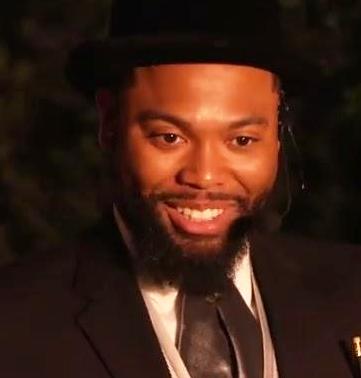
Troy Dixon, age 43, was murdered on March 12, 2012, in Philadelphia, Pennsylvania. The circumstances of Dixon's death were typical of many homicides occurring in Philadelphia that year, which was marked by a particularly high rate of gun violence. In 2012, the city experienced a surge in homicides, with gunshot wounds being the leading cause of death in over 85% of these cases.
The Philadelphia Police Department noted that most of the murders in that year happened outdoors, often involving arguments or disputes that escalated into fatal confrontations. In Dixon's case, it appears that his death followed this broader pattern of lethal violence that was prevalent in the city during that time.
Philadelphia's homicide rate in 2012 remained alarmingly high, with the majority of incidents taking place in specific police districts known for higher levels of violent crime. The 22nd district, along with several others, accounted for a significant portion of the city's homicide numbers, reflecting the concentration of violence in particular areas. Such patterns in crime were often attributed to a combination of socio-economic factors, gang activity, and retaliatory violence. The year 2012 saw a total of 331 murders, slightly up from the previous year, highlighting the ongoing struggle Philadelphia faced with managing violent crime and ensuring public safety.
Despite efforts by law enforcement and community organizations, the majority of homicides, including that of Troy Dixon, remained unsolved or lacked substantial leads. This reality underscored the challenges in gathering sufficient evidence, the reluctance of witnesses to come forward, and the often complex nature of motives behind the killings. The city's police department continued to appeal for public assistance in solving many of these cases, emphasizing the need for community involvement to break the cycle of violence. The murder of Troy Dixon is part of a larger, troubling trend that continues to affect families and communities throughout Philadelphia.