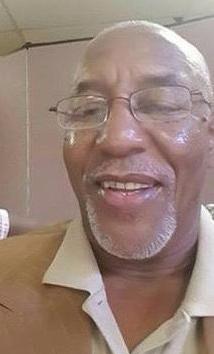
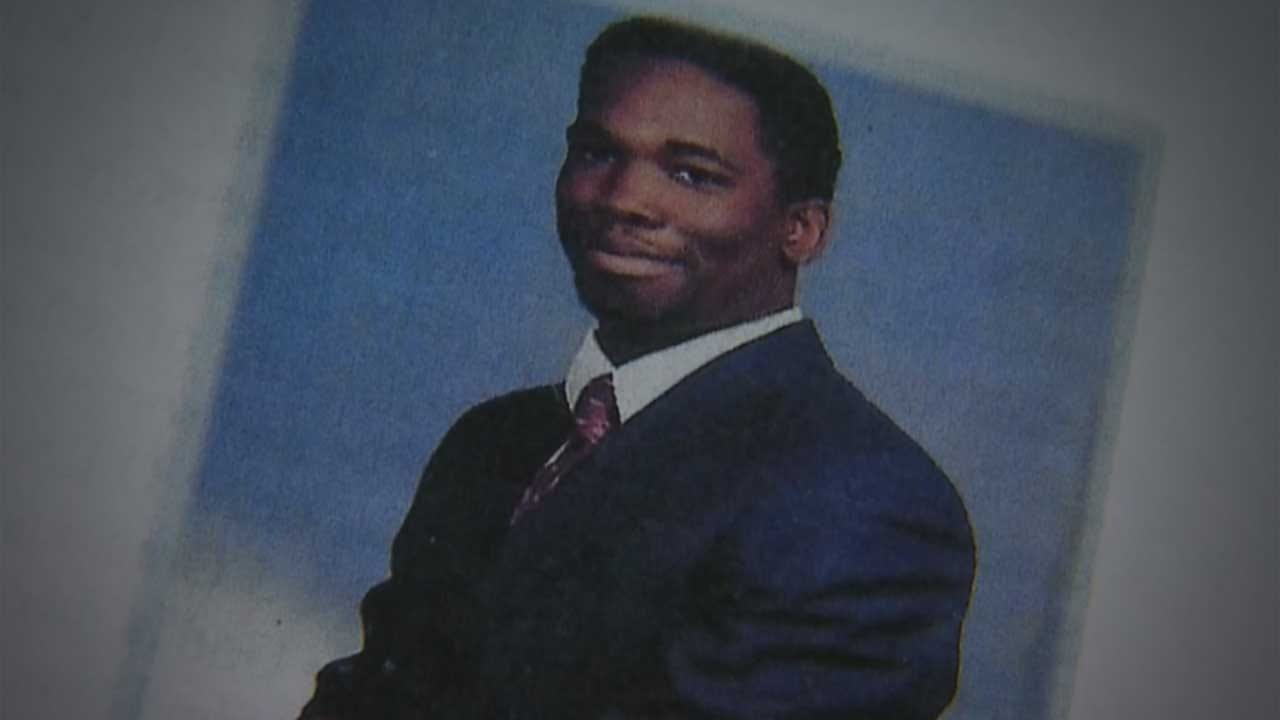
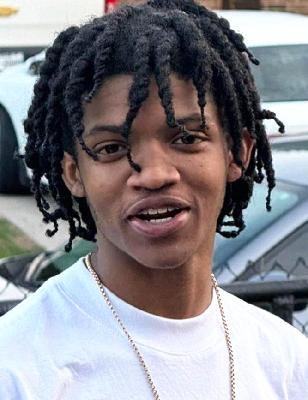
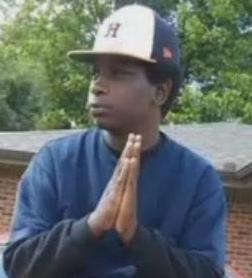
On the night of April 27, 2001, the life of Robert Lee Jett Jr., a 37-year-old Male, came to a violent end in his own home in Oklahoma City, Oklahoma. The events of that night would unravel a complex story of drugs, violence, and a killer who would not face final justice for more than two decades. Robert, who was known to be involved in the local drug scene, was with his friend, 58-year-old James Vincent Lynch III, and a woman named Shawn "Smokey" Tarp when another man, Phillip Dean Hancock,
arrived at the house.
The evening descended into chaos inside Jett's cluttered home, where a dispute, reportedly over something as minor as a pack of cigarettes after the men had taken drugs, escalated with deadly speed. An argument turned into a physical altercation. Hancock would later claim that Jett ordered him into a large metal cage inside the residence and swung a metal bar at him. During the struggle, Hancock managed to disarm Jett, who had a pistol tucked into his pants. Hancock then opened fire, shooting both Jett and Lynch.
Lynch died on the floor inside the house from multiple gunshot wounds to his torso, face, and hand. Jett, wounded in his upper back, elbow, side, and knee, managed to flee into his backyard. However, Hancock pursued him. An eyewitness heard Jett cry out, "I'm going to die," to which Hancock reportedly replied, "Yes, you are," before firing the fatal shots. When police responded to a neighbor's 911 call about shots being fired, they found Jett moaning on the ground in his backyard; he was unable to tell them what had happened before he died.
The investigation initially stalled. For over a year, no one was charged with the killings of Jett and Lynch. The break in the case came when a private attorney informed police that Phillip Hancock might be involved. By then, Hancock was already in prison for separate drug and firearm offenses. Investigators interviewed Hancock in prison, where he admitted to shooting both men, though he consistently maintained it was in self-defense, a claim he would hold onto for the rest of his life. He argued that he was terrified and had no doubt the two men would have killed him.
Hancock was no stranger to violence. In 1982, he had been convicted of first-degree manslaughter for another fatal shooting, for which he also claimed self-defense and served less than three years of a four-year sentence. This time, an Oklahoma County jury did not accept his self-defense argument. On September 30, 2004, they found Phillip Dean Hancock guilty of two counts of first-degree murder. The jury recommended the death penalty, and on October 25, 2004, a judge formally sentenced him to death.
For nearly two decades, Hancock remained on death row, appealing his conviction. The case of Robert Lee Jett Jr. and James Vincent Lynch III was one of three proven murders committed by the serial killer between 1982 and 2001. After exhausting his appeals, and despite a recommendation for clemency from the state's Pardon and Parole Board, Oklahoma Governor Kevin Stitt allowed the execution to proceed.
On November 30, 2023, Phillip Dean Hancock, aged 59, was executed by lethal injection at the Oklahoma State Penitentiary. Following the execution, Attorney General Gentner Drummond stated that "justice has been served" and expressed hope that the day would bring a measure of peace to the families of both victims. Robert Jett's brother, Ryan Jett, acknowledged that his brother was not an angel but testified that he "didn't deserve to die in the backyard like a dog." After waiting more than 20 years, Ryan Jett said, "We've waited a long time for justice to be served."