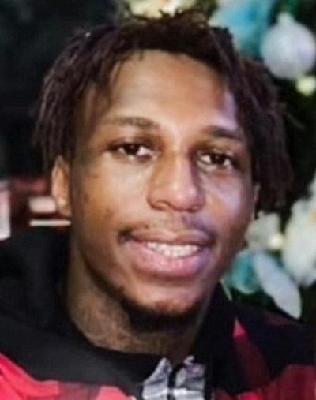
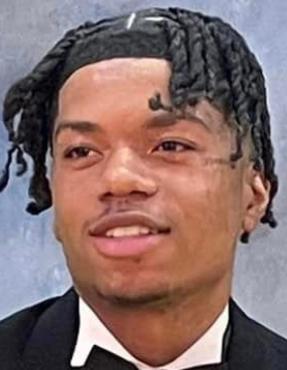
In the late summer of 2026, the community of Mobile, Alabama, was shaken by the tragic death of 22-year-old Vanol Lucky, who was also known by the names Babsco and VL. On the morning of September 3rd, deputies from the Mobile County Sheriff's Office were called to the Gethsemane Cemetery in Prichard after a body was discovered. There, between two gravesites, they found Vanol Lucky, who had sustained a fatal gunshot wound. The unsettling discovery left his family and friends grappling with the sudden and violent loss of a young man just beginning his adult life. In the initial hours and days of the investigation, authorities appealed to the public for any information regarding Lucky's whereabouts in the 24 hours leading up to his death, hoping to piece together the events that led to his murder.
The investigation into Vanol Lucky's death quickly led to a suspect, Deanta Dubose. Investigators allege that Dubose shot Lucky in the head before taking his gun and cell phone, suggesting that robbery was a motive for the homicide. The tragic irony of the case was amplified by the fact that Dubose was a repeat violent offender who had been released from prison on May 30, 2026, after serving time for convictions of attempted murder and first-degree robbery. This history of violent crime immediately cast a dark shadow over the case and raised questions about the effectiveness of the justice system in handling such offenders.
In a move to expedite the legal process, the case against Deanta Dubose was placed on Mobile County's newly established violent repeat offender docket. This specialized docket, presided over by Judge Vicki Davis, is designed to bring cases against defendants with a history of violent crimes to trial within a year, a significant reduction from the typical two to three-year timeline. Mobile County District Attorney Keith Blackwood stated that the new system is intended to ensure that dangerous, repeat offenders are prosecuted and, if convicted, sentenced as quickly as possible. Vanol Lucky's mother, Eva Kemp, has been a vocal advocate for justice for her son, expressing her profound grief and her determination to see the legal process through to its conclusion. While the case against Dubose is still in its early stages, the swift action to place it on the fast-track docket offers a glimmer of hope to a grieving family that they may see justice served in a more timely manner. The overview of this case highlights a tragic loss of a young life and the subsequent efforts of the justice system to address the issue of repeat violent offenders.