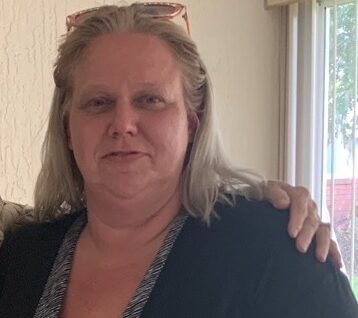
Jocklyn Manley, a 51-year-old Black woman, was killed on November 16, 2017, in Birmingham, Alabama, in a daylight burst of gunfire that also took the life of 17-year-old Pervis Andre Polk Jr. Authorities said the two were found in Woodlawn beside a car that had been riddled with bullets, a scene that suggested the shooting was sudden, furious, and over almost as quickly as it began.
The Jefferson County coroner identified Manley after the killings, and local reports said she lived in Ensley, while the shooting happened away from her neighborhood on the city’s east side.
What was publicly described in the immediate aftermath left more questions than answers. Birmingham police were called to the area that Thursday morning and found the victims down near the bullet-struck vehicle, but investigators did not publicly explain why Manley and Polk were there together or what may have led to the ambush. Contemporary reporting said police had not yet determined a motive, and the double homicide was counted among Birmingham’s growing toll of killings that year. The broad-daylight nature of the attack gave the case a particularly haunting feel: two lives cut down in the open, in a neighborhood street, with no quick explanation to soften the shock.
As for suspects, arrests, and later case developments, the online record appears painfully thin. Early coverage said there were no arrests during the initial investigation, and later case listings continued to describe the killing as having no arrest reported. A later Birmingham homicide roundup likewise listed Manley’s case with the simple notation “No arrest,” which suggests that, at least in the public-facing sources now available online, no suspect was publicly identified and no arrest, charge, trial, or conviction has been tied to her killing. In that sense, the story that remains is one of violence without resolution: a woman slain in a hail of bullets, a second victim dying alongside her, and a case that, in the sources available online, still seems to stand as unsolved.