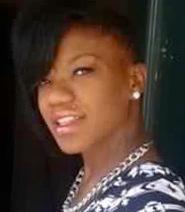
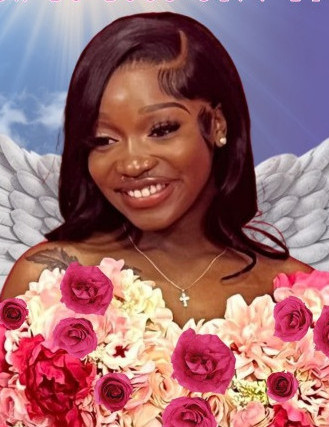
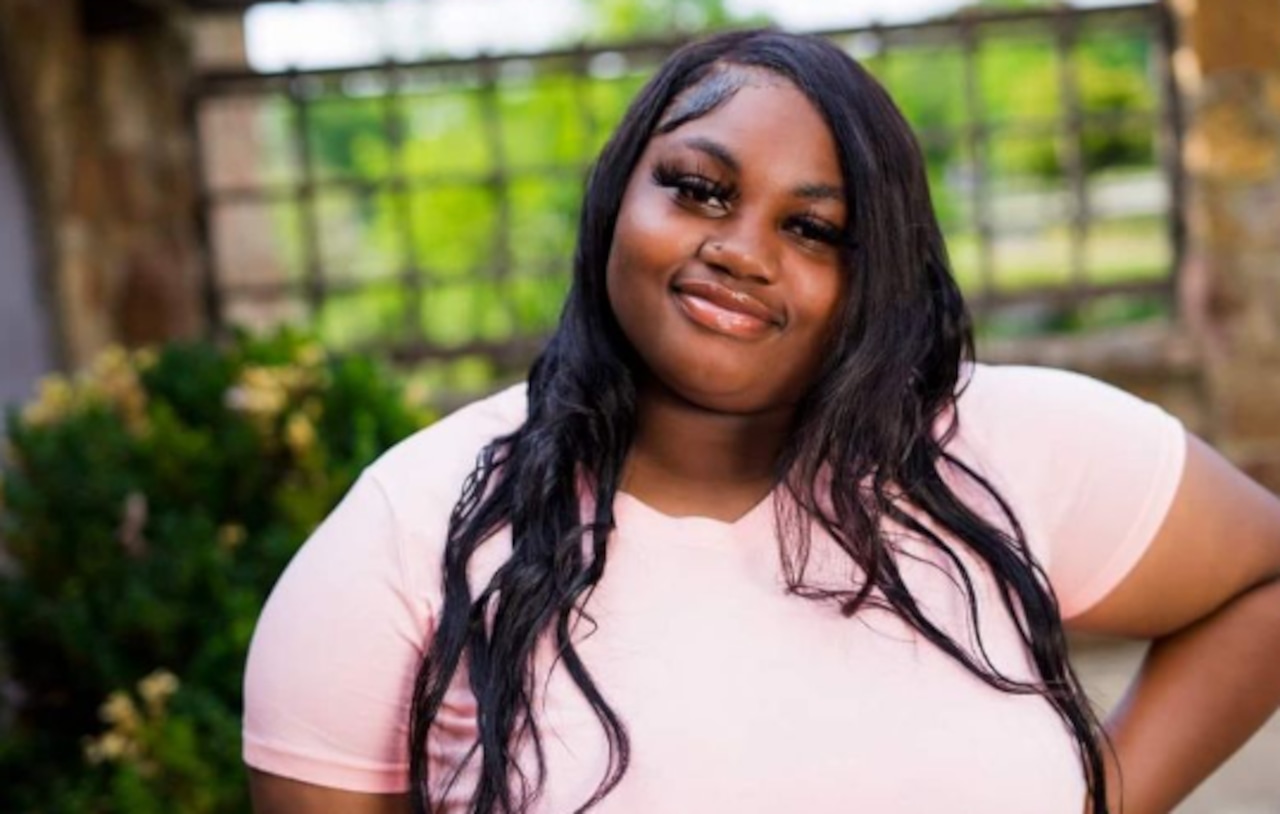
In the summer of 1979, a tragedy unfolded in Birmingham, Alabama, that would forever mark the city's history. On the evening of June 22nd, Bonita Beatrice Carter, a 20-year-old Black woman, was fatally shot by a white Birmingham police officer, George Sands. Carter was unarmed and had committed no crime when the incident occurred outside a convenience store in the Kingston neighborhood.
The events of that night began with a robbery-in-progress call that sent officers to a local
convenience store. Officer Sands and his partner were the first to arrive. The store manager, brandishing a gun, pointed towards a car leaving the parking lot, yelling that the suspects were in that vehicle and were armed with a shotgun. Believing the occupants of the car were dangerous, Sands approached the vehicle and fired his revolver four times. Three of the bullets struck Bonita Carter, who was in the car, killing her almost instantly. It was only after the shots were fired that a witness informed the officers of their grave mistake, clarifying that Carter was not involved and was unarmed.
The death of Bonita Carter sent shockwaves through Birmingham's Black community, leading to widespread outrage and numerous protests against police brutality. Demonstrators took to the streets demanding justice for Carter and calling for an end to police violence. An extraordinary committee was formed to review the shooting and ultimately found it to be unjustified. However, an internal police investigation concluded that Officer Sands had acted in accordance with established policy, and he was not removed from the police force.
The frustration and anger over Carter's death and the lack of accountability for the officer involved became a pivotal moment in Birmingham's political landscape. The incident mobilized the Black community to vote for change, culminating in the election of Richard Arrington Jr. as the city's first Black mayor. Years later, the city of Birmingham would formally acknowledge the injustice of Carter's death, rededicating a memorial sign in her honor in 2019, ensuring that her name and the impact of her death would not be forgotten.