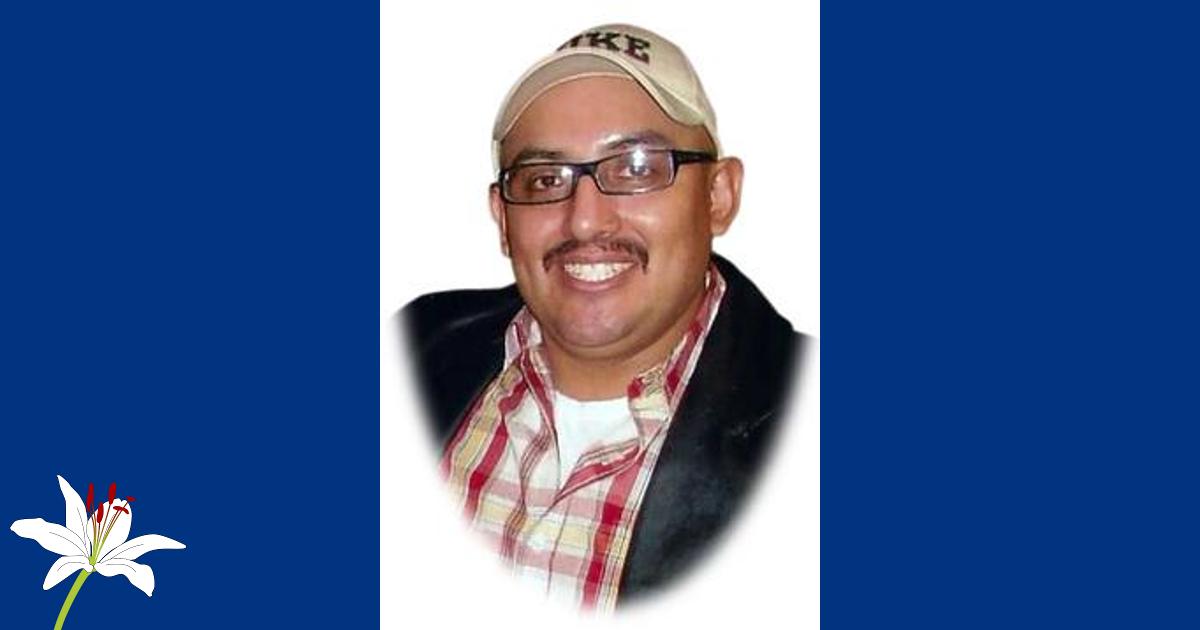
Vincent D. McCollum was 32, and the available public record does not state his gender. He died on Friday, August 1, 2008, at home in Kansas City, Missouri. The announcement of his passing offers only that single, quiet detail about where his life ended, leaving everything else—what led up to that day, what the final hours were like, what words were left unsaid—held close by the people who knew him best.
In the wake of his death, the city around him would have kept moving as it always does, but for those who loved him, time would have started to feel different—measured in phone calls made and calls missed, in the ache of realizing there is no way to rewind an ordinary day and make it sacred. The public notice is spare, but the human reality behind it is never spare: someone’s place at a table suddenly empty, a familiar laugh no longer expected to roll through a room, the lingering instinct to reach for a name that will not answer back.
His family and community prepared to gather and honor him the following week. A visitation was planned for the morning of Saturday, August 9, from 11 a.m. until 1 p.m., followed by services at 1 p.m. at Lawrence A. Jones & Sons Linwood Chapel in Kansas City. It’s the kind of schedule that looks simple on paper, but in real life it carries the weight of everything people bring with them—memories, regrets, gratitude, grief—each person arriving with their own private version of who Vincent was to them.
After the service, he was to be laid to rest at Brooking Cemetery in Raytown, Missouri. Cemeteries can feel like the final punctuation at the end of a story, but they’re also places where love keeps showing up long after the words have stopped—flowers placed with trembling hands, quiet visits that don’t need an audience, the steady promise that someone will remember.