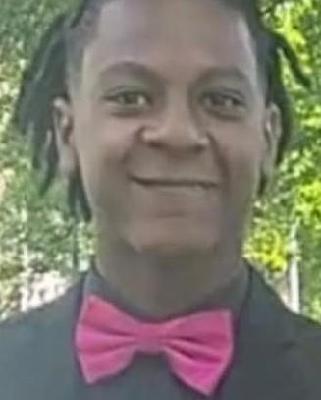
In the late hours of September 16, 2026, the life of 34-year-old James Heberling, a male resident of Kansas City, Missouri, was tragically cut short. The evening took a fatal turn when an argument amongst a group of individuals who were acquainted with one another escalated into violence. Heberling sustained a fatal gunshot wound, marking another grim statistic in the city's ongoing struggle with gun violence.
The incident unfolded in a fenced-in, grassy area in the 1400 block of Askew Avenue, a detail that would later be pieced together by law enforcement. The initial call to police, however, directed them to the 3600 block of Truman Road, suggesting a sequence of events that spanned more than one location.
Responding to the dispatch, officers from the Kansas City Police Department arrived to a somber scene. They discovered Heberling unresponsive, having succumbed to his injuries. Emergency medical services were called, but it was too late; he was pronounced deceased at the location. The immediate aftermath of the shooting saw a swift response from law enforcement. A description of a possible suspect was quickly circulated among officers. Members of the Rapid Deployment squad canvassed the vicinity and located an individual who matched the description provided. This person was promptly taken into custody for questioning, offering a glimmer of hope that justice for Heberling might be swift.
As homicide detectives and crime scene personnel descended upon the area to collect evidence and gather witness statements, the investigation into James Heberling's death was set in motion. The preliminary findings pointed to a dispute that had spiraled out of control, a scenario all too common in such tragedies. Despite the initial detention of a person of interest, publicly available information in the days following the incident did not provide further details on whether this individual was formally arrested or charged. The name of the suspect was not released, and as the initial news cycle waned, the case of James Heberling's untimely death remained without a publicly documented resolution, leaving a community to mourn and await further developments in the pursuit of justice.