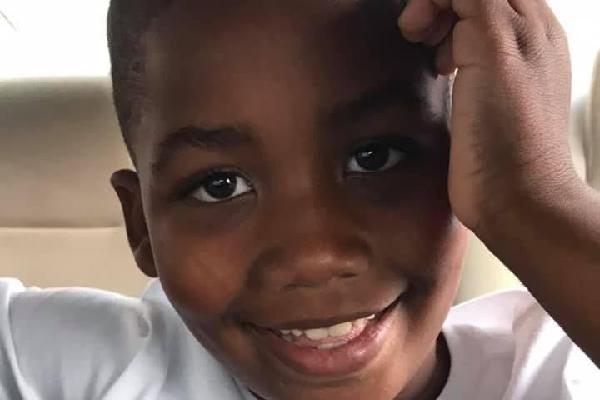
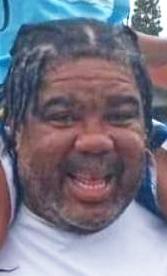
Charles Habib was a 32-year-old male from Philadelphia, Pennsylvania, whose life came to a tragic end on December 26, 1984. What should have been the quiet close of a holiday season instead became the day his name was tied to a troubling and painful mystery. He was found dead in Philadelphia, and the limited public information available indicates that his body was discovered in the back seat of a car parked at Philadelphia International Airport.
The discovery immediately gave the case a deeply unsettling weight, because Charles was not found in the comfort of his home or surrounded by people who knew him, but in a parked vehicle in a public place where countless strangers were passing through, unaware that a family’s world had just been broken apart.
The vehicle where Charles was found was described as a 1976 Lincoln Continental. His body was reportedly discovered around 5:30 p.m. on Wednesday, December 26, in an airport parking lot. That detail alone paints a haunting picture: a car sitting among many others, likely blending into the ordinary movement of the airport, until someone realized something was terribly wrong. Airports are places people associate with departures, arrivals, reunions, and the promise of getting somewhere. For Charles Habib, that setting became the place where his story was interrupted and where investigators were left to begin piecing together the final hours of his life.
Charles was connected to the 4300 block of I Street in Philadelphia, a detail that grounds him not simply as a name in a report, but as someone who belonged to a neighborhood, a street, and a community. He had a life before the moment he was found. He was someone’s son, perhaps someone’s brother, friend, neighbor, or loved one. At 32 years old, he was still a young man, with much of his life ahead of him. His death would have left those who cared about him searching for answers, trying to understand how he ended up in that car, who had last seen him alive, and why anyone would have wanted to harm him.
The available information indicates that police considered the death suspicious and were pursuing leads after Charles was found. The medical examiner’s office was expected to conduct an autopsy, suggesting that authorities were still working to determine the full circumstances of what happened. Later public memorial information associates Charles Habib’s death with gun violence, indicating that his death was not simply unexplained but the result of a violent act. That adds another layer of sorrow to the case, because it means his life was taken from him, leaving behind not only grief but also the need for accountability.
What remains especially painful is how little appears to be publicly known about the investigation after the initial discovery. No available information identifies a named suspect or suspects. There are no publicly available details confirming an arrest, charges, trial, conviction, or motive. If investigators had promising leads, the accessible record does not show where those leads went. That absence can be devastating in its own way. For families and loved ones, silence after a violent death can feel like a second wound. It leaves room for questions that never stop echoing: Who was with Charles before he died? Did he know the person responsible? Was he targeted, lured, robbed, followed, or betrayed? Was the airport parking lot where he died, or was it where someone left him after the fact?
The image of Charles being found in the back seat of a parked car is difficult to shake. It suggests isolation in his final moments, or at least in the way he was left behind. There is a coldness to that scene, not because Charles was forgotten by the people who loved him, but because whoever was responsible allowed him to be discovered that way. A person’s life should never end as a mystery in a parking lot. Charles was more than the location where he was found and more than the brief details attached to his death. He was a 32-year-old man from Philadelphia whose life mattered, and whose death deserved a full and careful search for the truth.
The timing of his death, the day after Christmas, makes the loss feel even heavier. While many families were still gathered together, still holding onto the warmth of the holiday, Charles’s family and friends were likely being pulled into shock, disbelief, and grief. Instead of closing out the year with normal memories, they were left with the horror of sudden loss and the beginning of unanswered questions. A violent death is always painful, but one that comes during a season associated with family and togetherness can leave a permanent shadow over every year that follows.
Because no arrests or suspects are publicly identified, the story of Charles Habib remains one marked by uncertainty. The official response began with the discovery of his body, the expectation of an autopsy, and investigators reportedly working leads. But the public trail fades before revealing whether anyone was ever held responsible. That lack of resolution means Charles’s story remains unfinished in the public record. It is not just a story about a death; it is a story about a man whose final chapter was shaped by violence and whose loved ones may have been left without the answers they deserved.
Charles Habib’s death stands as a reminder that behind every brief case mention is a full human life. He had a name, an age, a home city, and people who likely remembered the sound of his voice, the habits that made him familiar, and the presence he brought into a room. The details that survive online are limited, but they are enough to show that something terrible happened to him and that the truth mattered then and still matters now. His life ended on December 26, 1984, but the questions surrounding his death continue to linger wherever his name is remembered.