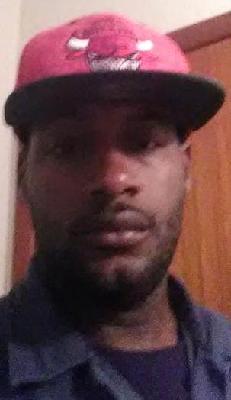
Daniel Cole Sr., 29, a Black man, died on January 14, 2013, in Baton Rouge, Louisiana, after suffering gunshot wounds that ultimately proved fatal at Baton Rouge General Hospital.
What made the case especially haunting from the start was how it surfaced into public view: reports described a shooting victim being dropped off at a hospital, leaving police to piece together what happened from fragments—medical staff racing to save him, investigators working backward to find where the
violence began, and the unanswered question of who brought him there and why they didn’t stay. The circumstances left detectives chasing a moving target: a shooting scene that wasn’t immediately pinned down in the open, witnesses who may have scattered, and a narrow window to identify the vehicle and people involved in the drop-off.
Beyond the violence itself, the obituary record sketches the outline of a young life rooted in Baton Rouge—born October 16, 1983, and remembered by family and loved ones through funeral services handled locally. The formal notice places his death at Baton Rouge General and situates him within a family network that survived him, an echo of the private grief that follows public violence: a household abruptly changed, relatives facing questions no one could answer, and a community left with another name to hold onto.
As for accountability—arrests, identified suspects, charges, or court outcomes—the online sources accessible for this incident did not provide names of suspects or document any arrest or prosecution tied to Daniel Cole Sr.’s killing. In the material available, the case reads as an investigation marked more by uncertainty than resolution, with the most consistent public detail being the hospital drop-off and the fact that he did not survive his injuries.